Sammamish, King County
On the Sammamish plateau a fireplace is usually the second heat source, not the first. Census figures put 72.1% of occupied homes here on utility gas for primary heat and count only 49 households that heat mainly with wood. That is exactly why flues get forgotten: a fireplace lit a dozen evenings a winter still lays down soot, and a chimney left alone for years under tall firs collects more than soot. Our sweep costs $189 to $449, set by roof pitch, chimney height and how soiled the flue is.
Typical investment
$189–$449
Book an inspection
Book your $99 inspection
$99 plus tax, deducted when you approve the repair
Not sure where to start
Pick what you're seeing at your Sammamish home — we'll point you to the right fix.
What we do
The same crew, the same written quote — for Sammamish homes.
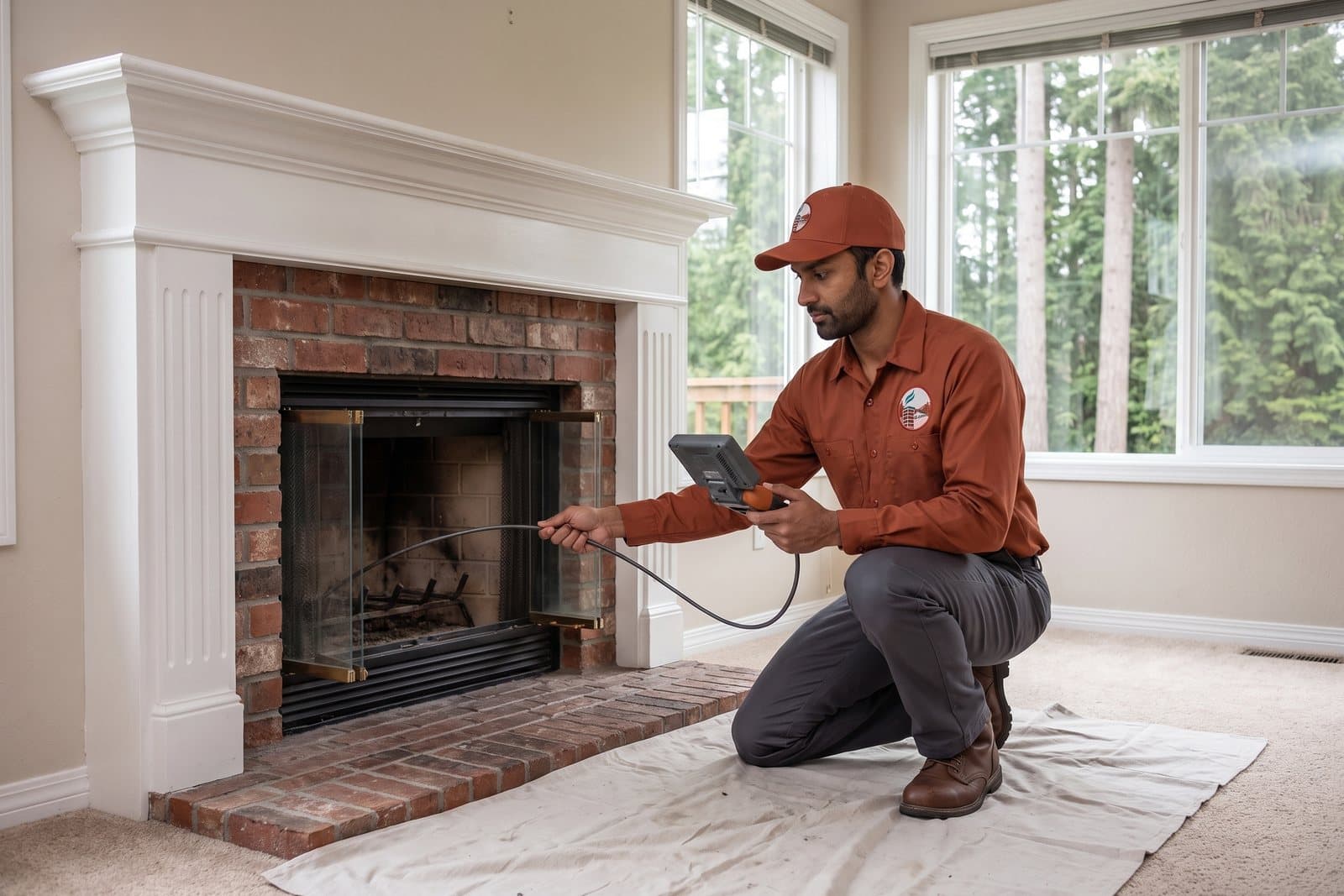
A Level 1 check, or a Level 2 with a camera run through the flue when the visible parts are not enough
Learn more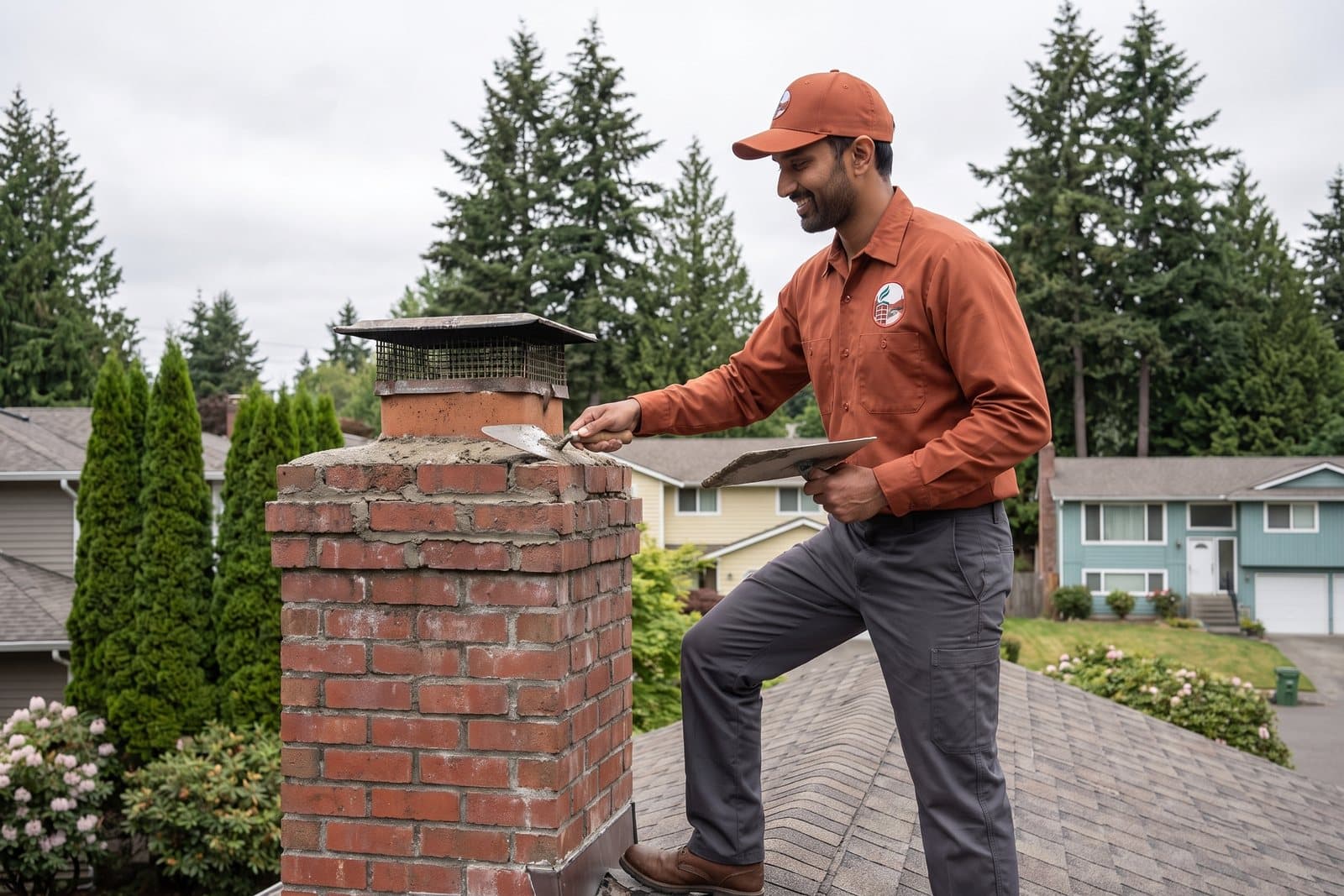
A photographed assessment that separates cosmetic wear from structural damage
Learn more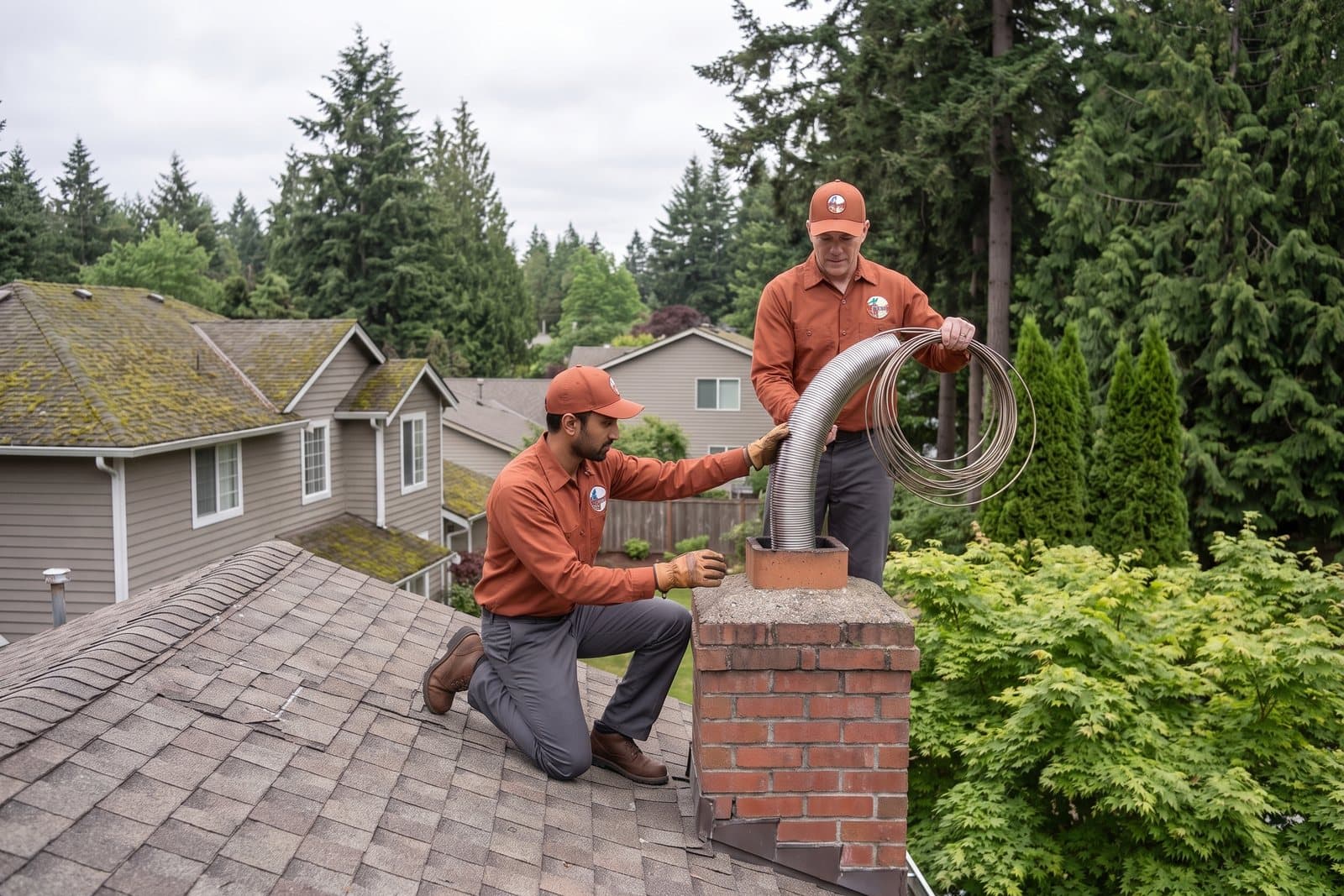
A camera run and full measurements before any liner is ordered
Learn more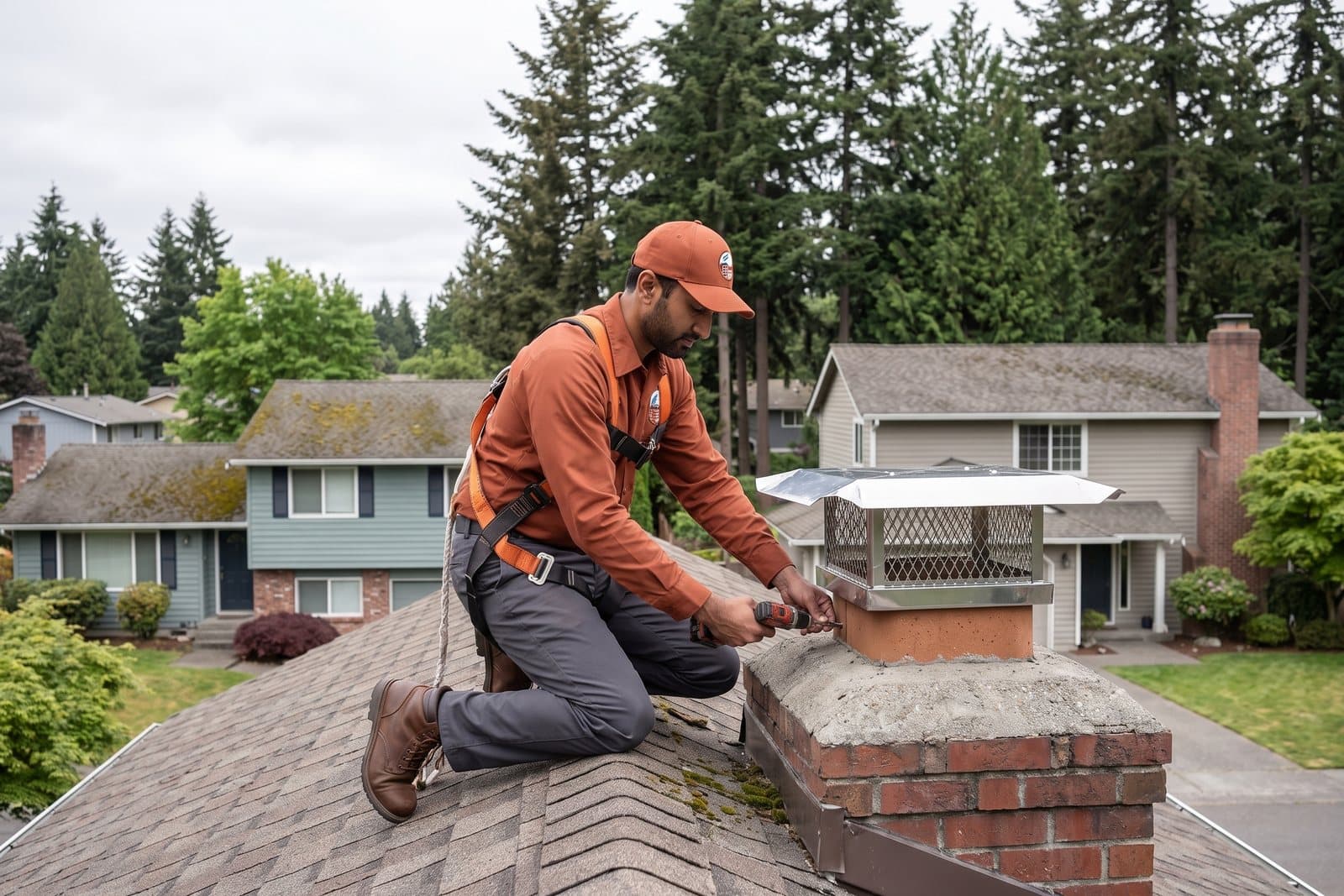
Measurement of each flue, or of the full crown for a multi-flue cap
Learn more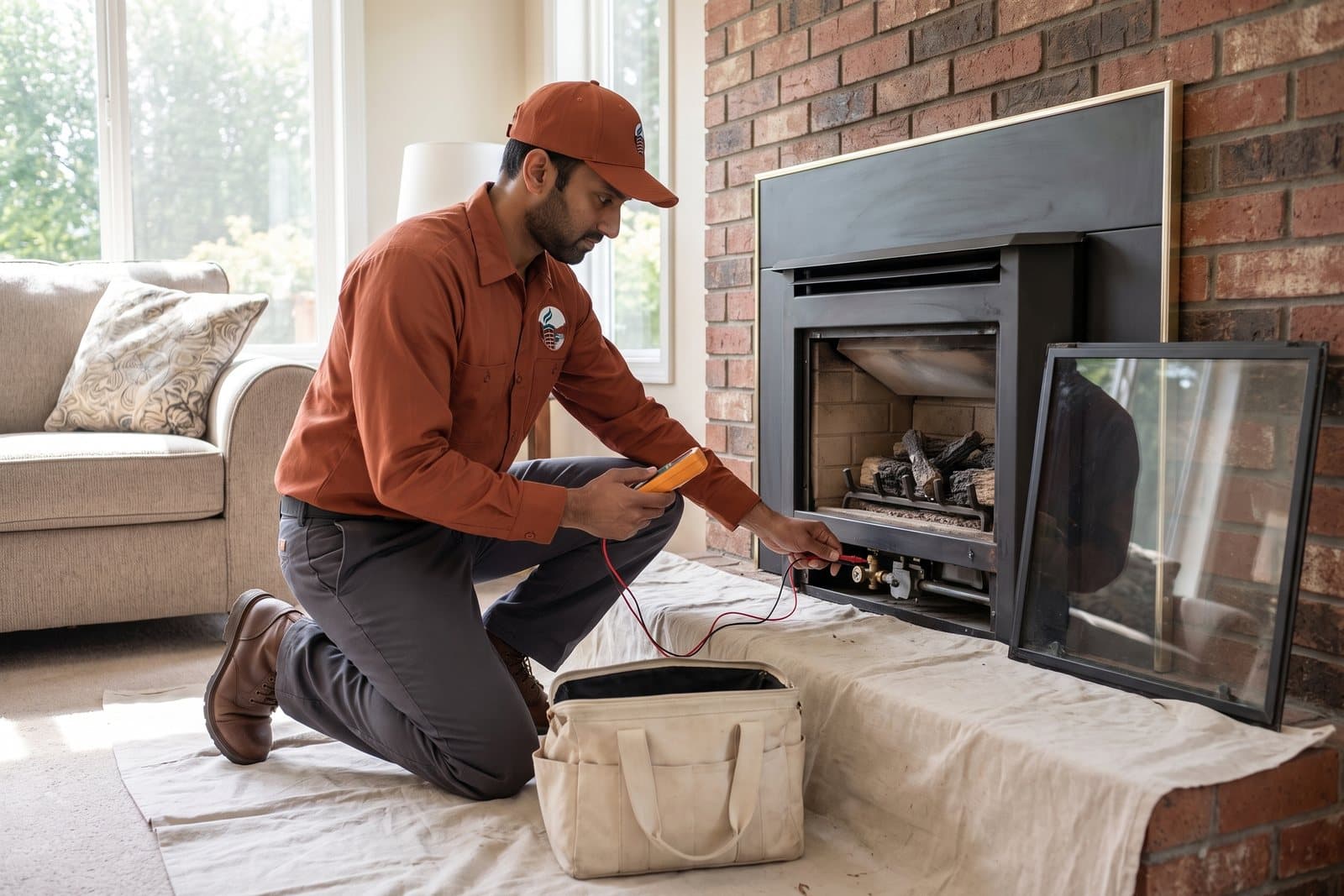
Cleaning and testing of the burner, the pilot assembly and the ignition
Learn more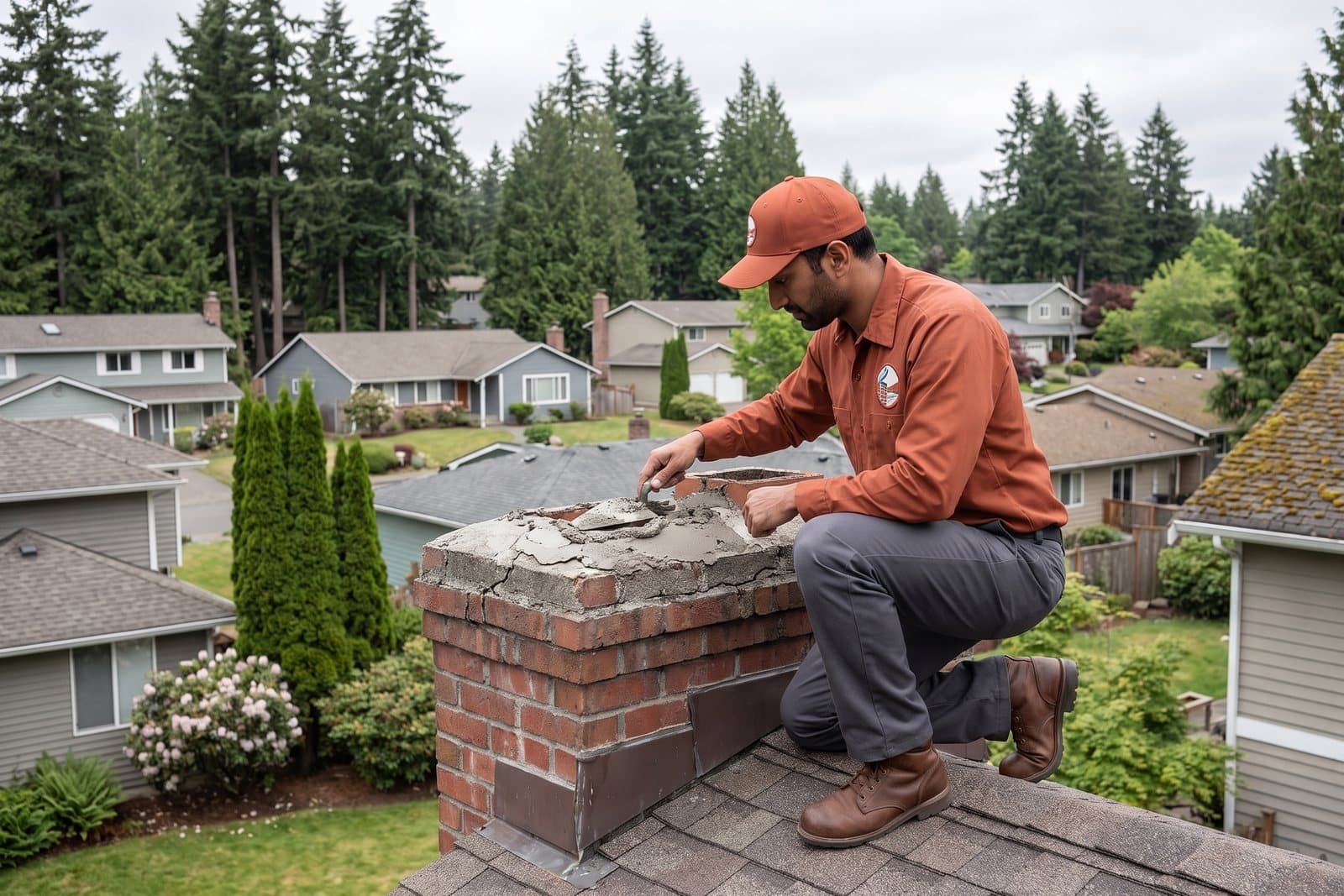
Close-up photos of the crown and of every face of the stack
Learn moreRanges shown for orientation — the exact figure is written up on-site, after the inspection.
The Chimney Safety Institute of America summarizes NFPA 211 this way: a yearly check of every chimney, fireplace and vent, and a masonry fireplace swept when the soot layer is 1/8 inch thick, earlier if any glaze shows. The Washington State Fire Marshal reported that in 2024, 77% of the heating fires in Washington's residential buildings began in a chimney or flue. Neither number depends on how often you burn. Both depend on what is sitting in the flue.
The city's hazard mitigation annex counts 13,228 acres inside Sammamish and puts 48% of them under tree canopy or woody shrubs. The same document says winter storms regularly topple trees and drop limbs because the cover is so dense. On a sweep that shows up as needle mats on the smoke shelf, twigs wedged in the cap screen and, after a rough storm, a cap knocked crooked.
Oregon State University Extension notes that moss traps soil and debris and holds moisture. A crown carrying that kind of mat never dries, so the mat comes off during the same roof visit and we photograph the concrete underneath.
Every chimney sweep we do in Sammamish includes:
Smoke coming back into the room, or a smell that won't go? Book the inspection first.
Book nowThree things turn up on Sammamish sweeps besides soot. Fir and cedar needles pack onto the smoke shelf when a cap is missing or its screen has torn. Birds and squirrels move into flues that sit cold from March to November. And firewood stacked under the trees through a wet season WeatherSpark measures at about seven months burns damp, leaving a tarry deposit that a brush has to work harder to lift. The state Department of Ecology wants firewood split and stacked under cover a full year before it is burned.
Floor and hearth are covered, the vacuum runs from the first minute, and the opening is closed off so dust stays in the firebox.
We work the full height of the flue with the brush that suits its liner, clay tile or stainless, then clean the smoke shelf and damper.
On the roof we pull needle mats and nests off the cap and crown and look at the screen, the crown surface and the flashing line.
Photos arrive with a short written summary: what was removed, what looks sound, and anything that deserves a closer inspection.
The annex records the 1939 Beaver Lake Fire, which started on the plateau and in two days covered more than 35 square miles. It rates wildfire risk west of the Cascades as historically low but rising with drought and stressed trees. Creosote left in a flue is fuel, and a chimney fire is one way embers leave a house and land on a roof that sits under fir boughs.
The State Fire Marshal's home heating advice includes a chimney cap, so every sweep ends with a look at the cap's mesh. The governor's wildfire emergency order of August 1, 2026 banned burning statewide until the end of September. Summer is the season to have the flue cleaned, not used.
What this work is quoted at for Sammamish homes — the exact figure comes from the $99 on-site inspection, credited toward the work.
| Service | Price in Sammamish | What that covers |
|---|---|---|
| Chimney Sweep | $189–$449 | Full flue swept, Level 1 inspection included |
| Chimney Inspection | $99 plus tax | Level 1 visual; Level 2 adds a full camera scan |
| Chimney Relining | From $1,900 | Full-length stainless liner, sized to the appliance |
| Chimney Repair | From $425 | Masonry repair — brick and mortar, scoped after diagnosis |
| Chimney Cap Installation | $235–$850 | Stainless cap fitted; multi-flue and custom at the top |
Ranges are what these jobs are quoted at in Sammamish. The exact figure is set on site after a $99 inspection (credited toward the job if you go ahead), and you approve it before any work starts.
Sammamish is a 24-square-mile plateau city, roughly 500 feet up, on Lake Sammamish, with homes with a median build year of 1994, more than half of them built in the 1980s and 1990s. We work every part of it — Sunny Hills, Sahalee, Klahanie included.
SammamishKing County, WA · 47.616, -122.036
Before and after
Illustrations of what each repair changes on a typical chimney — not photos of a specific job.
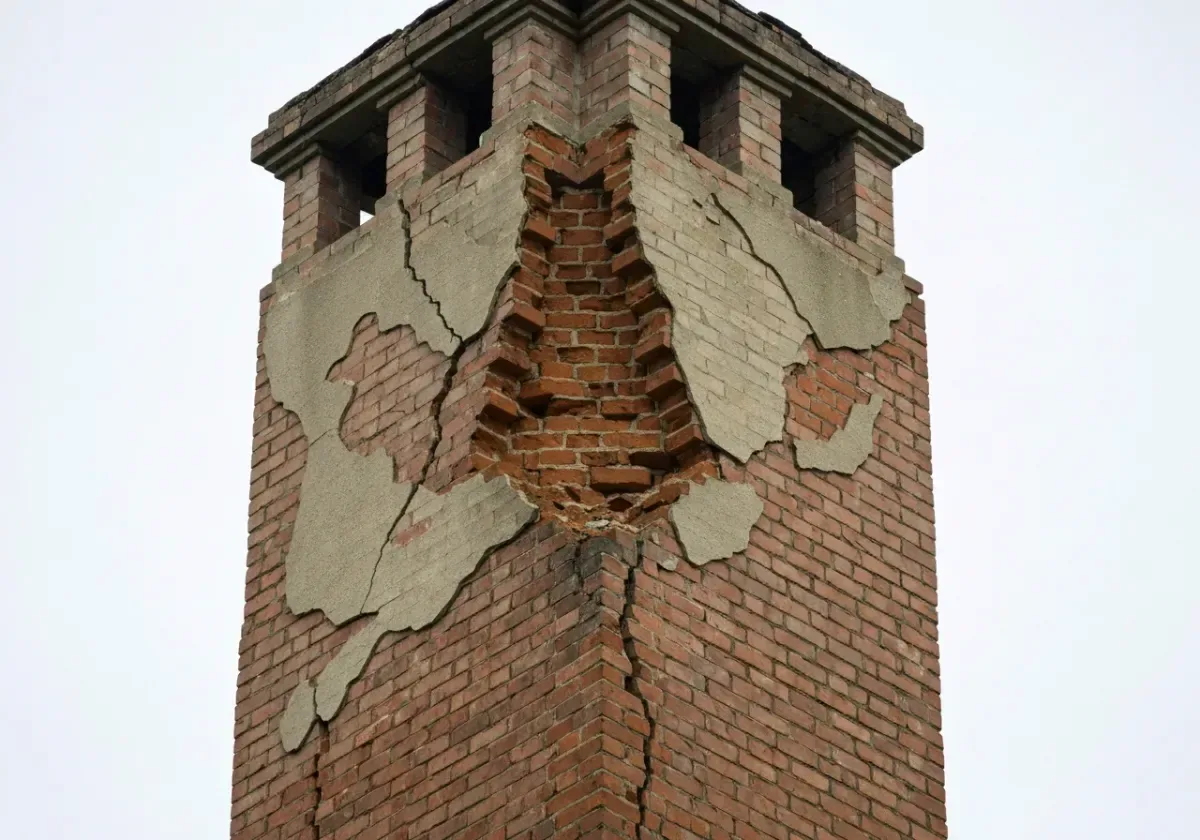 Before
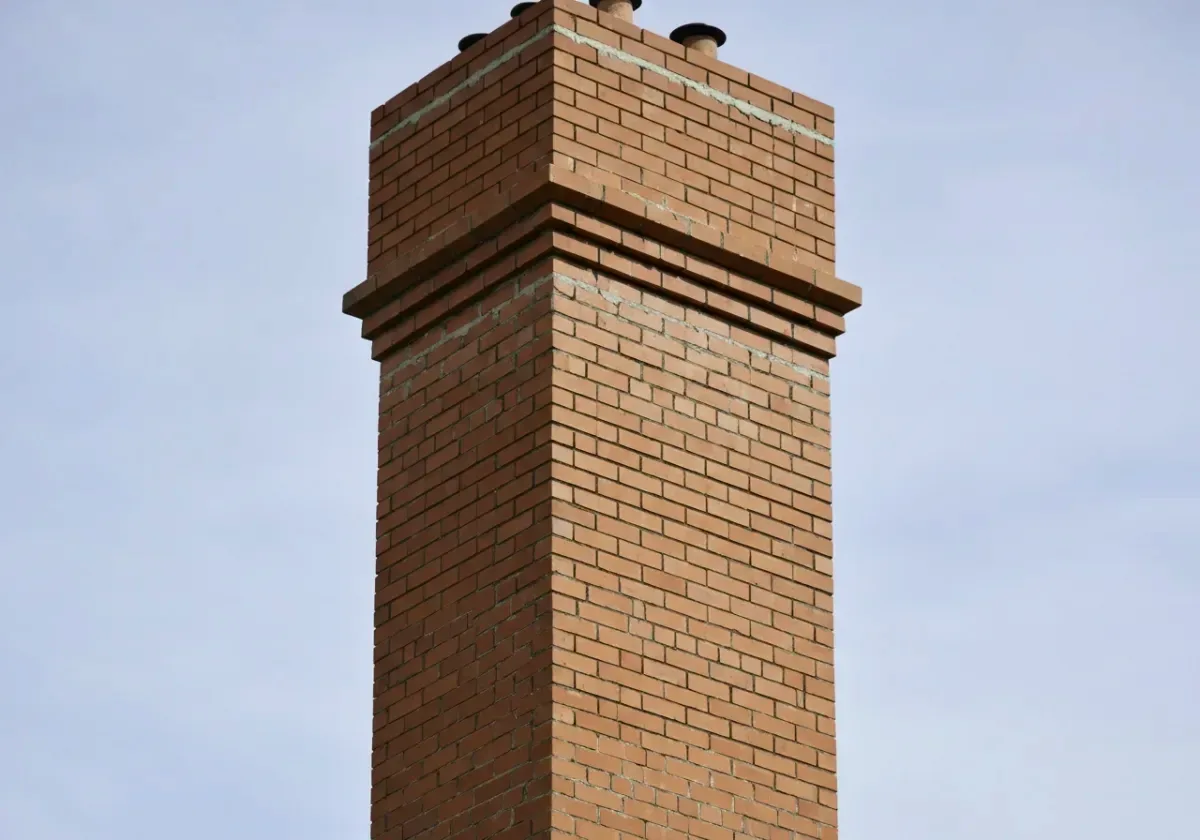 After
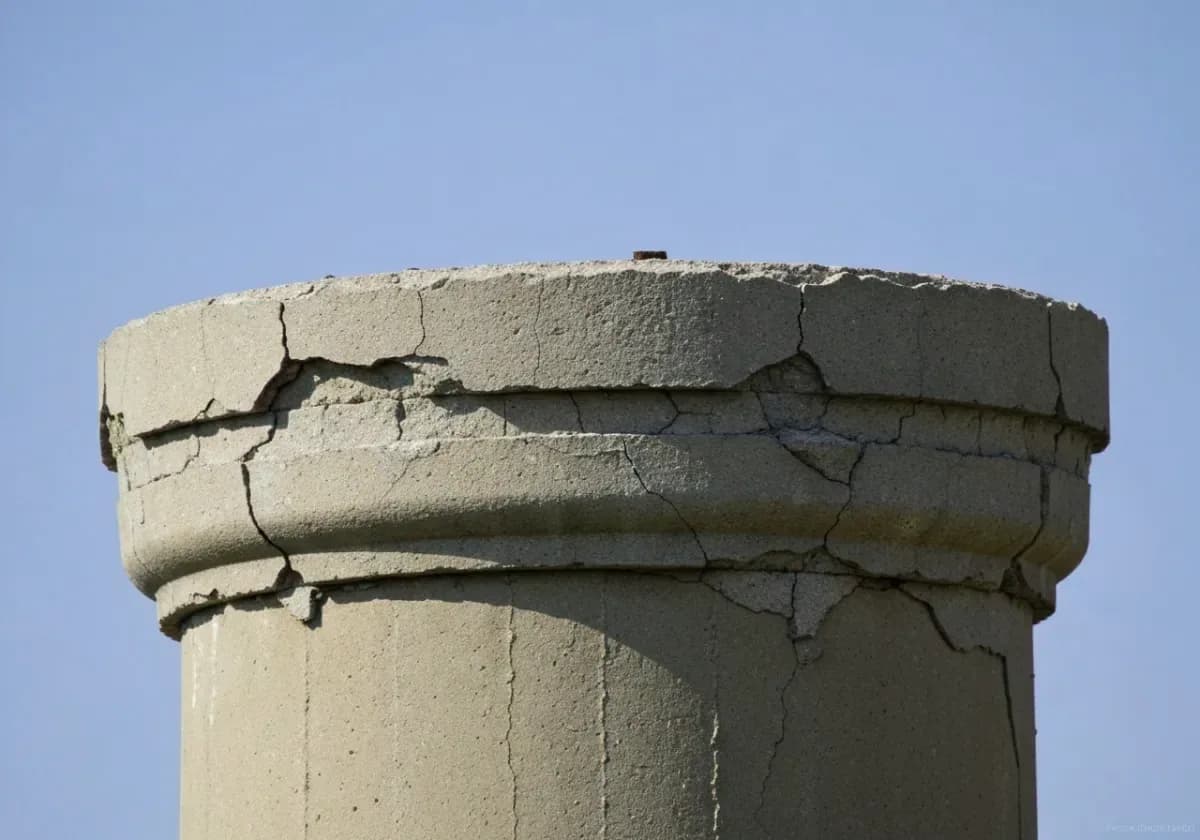 Before
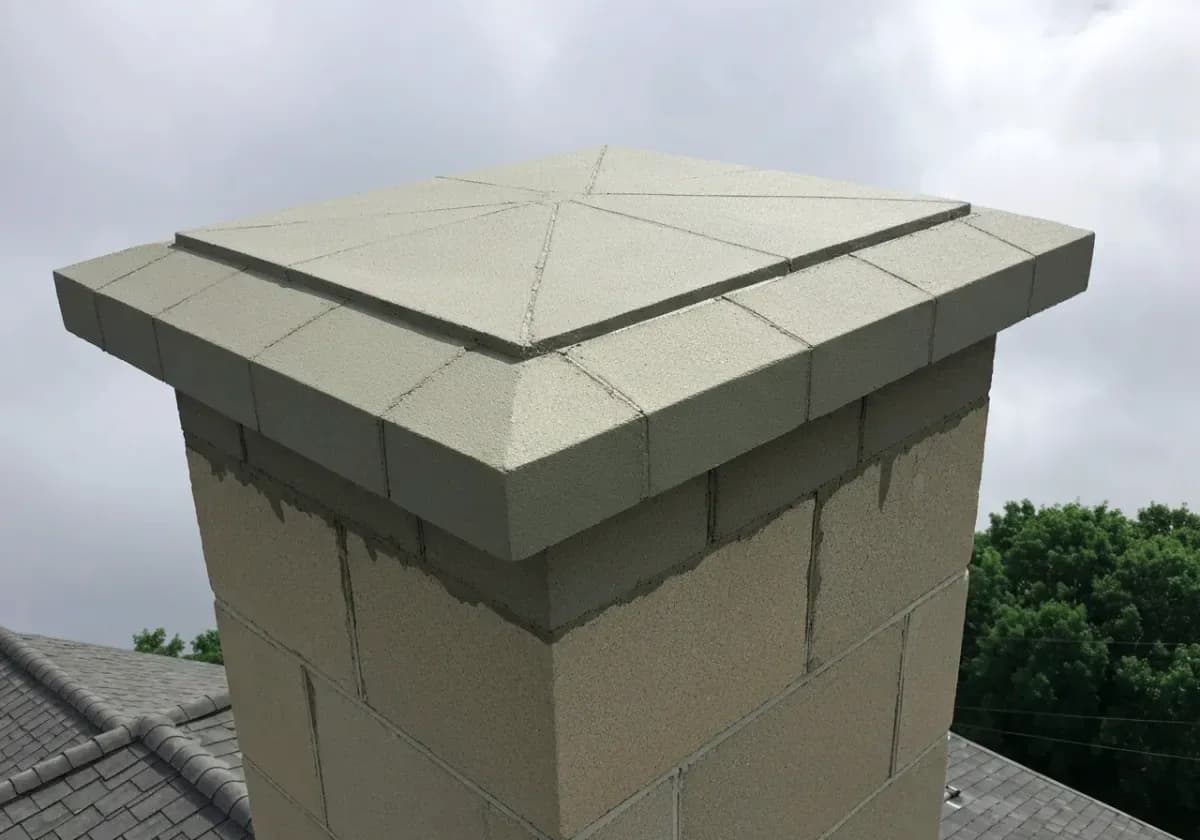 After
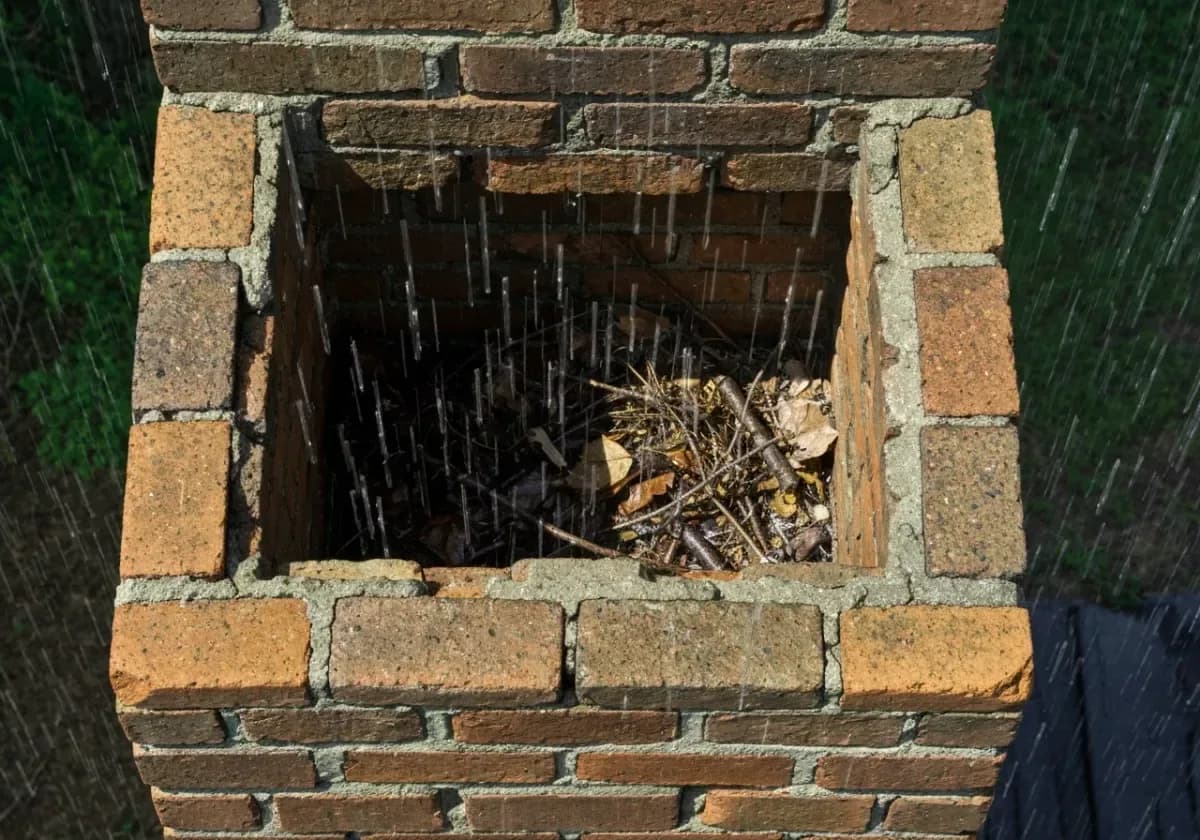 Before
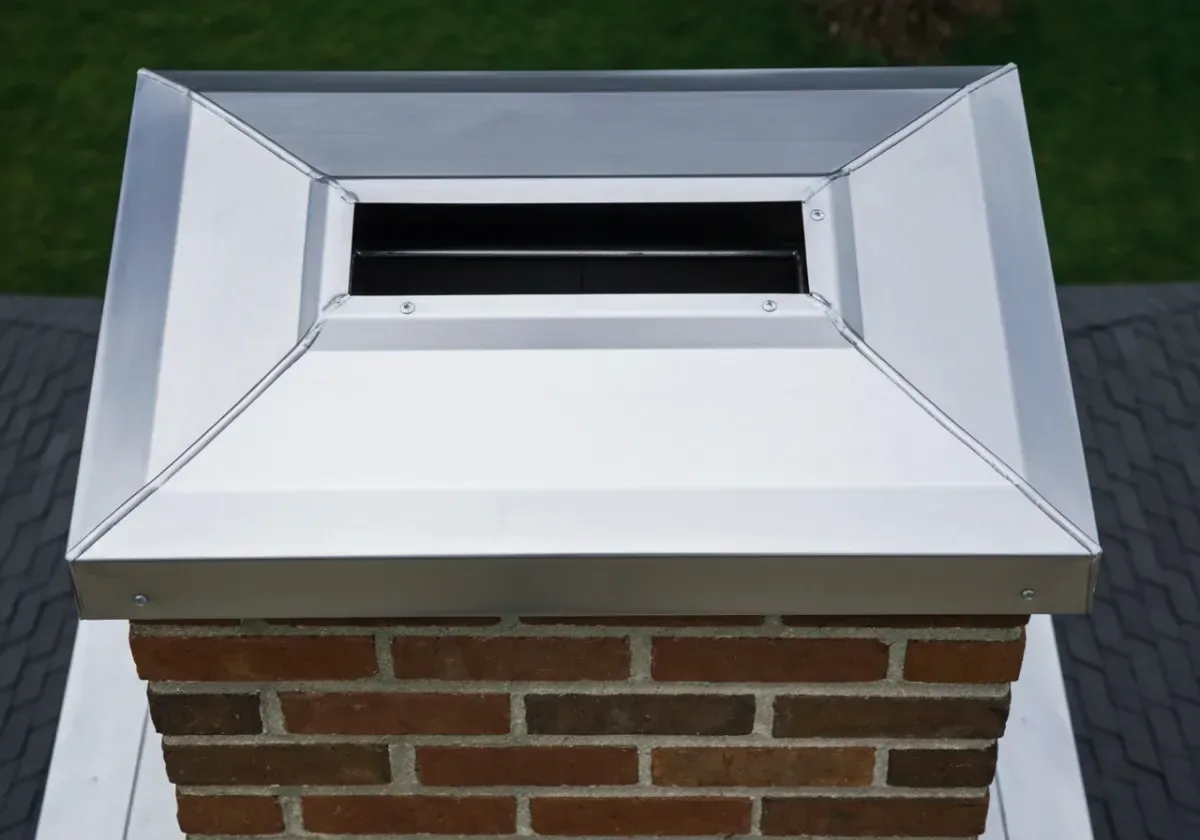 After

Four steps, each one on paper — so you always know what happens next.
Choose a genuine opening on the crew's calendar. Confirmation is immediate.
Liner, crown, cap, flashing and masonry examined in order — each finding photographed.
One document, plain numbers, covering only the work your chimney genuinely needs.
The repair is completed, then handed over with before-and-after photos of every item.
$189 to $449. A single-story roof with easy access is priced nearest $189; steep pitch, extra height or a badly soiled flue pushes toward $449. You hear the number before any work starts.
The yearly look is, because NFPA 211 schedules it by the year, whatever the use. An idle chimney under conifers is where nests and needle mats build. If we find a clear flue with under 1/8 inch of soot, we say so and the brushing can wait.
Late spring to early fall. WeatherSpark puts the clearer stretch here from about June 16 to October 7, which makes roof work simpler and has the flue ready before the first fire.
A $99 on-site inspection, a written quote before any work, and photos of every item we touch.