Redmond & the East Side, WA
Creosote removal in Redmond deals with glaze, creosote baked so hard that sweeping brushes slide across it, using treatments and tools chosen for the stage of buildup.
Our price
From $215
Book an inspection
Book your $99 inspection
$99 plus tax, deducted when you approve the repair
Not sure where to start
Pick what you're seeing — we'll point you to the right fix.
What we do
Sweeping, inspection, relining and masonry — one local crew for the whole chimney.
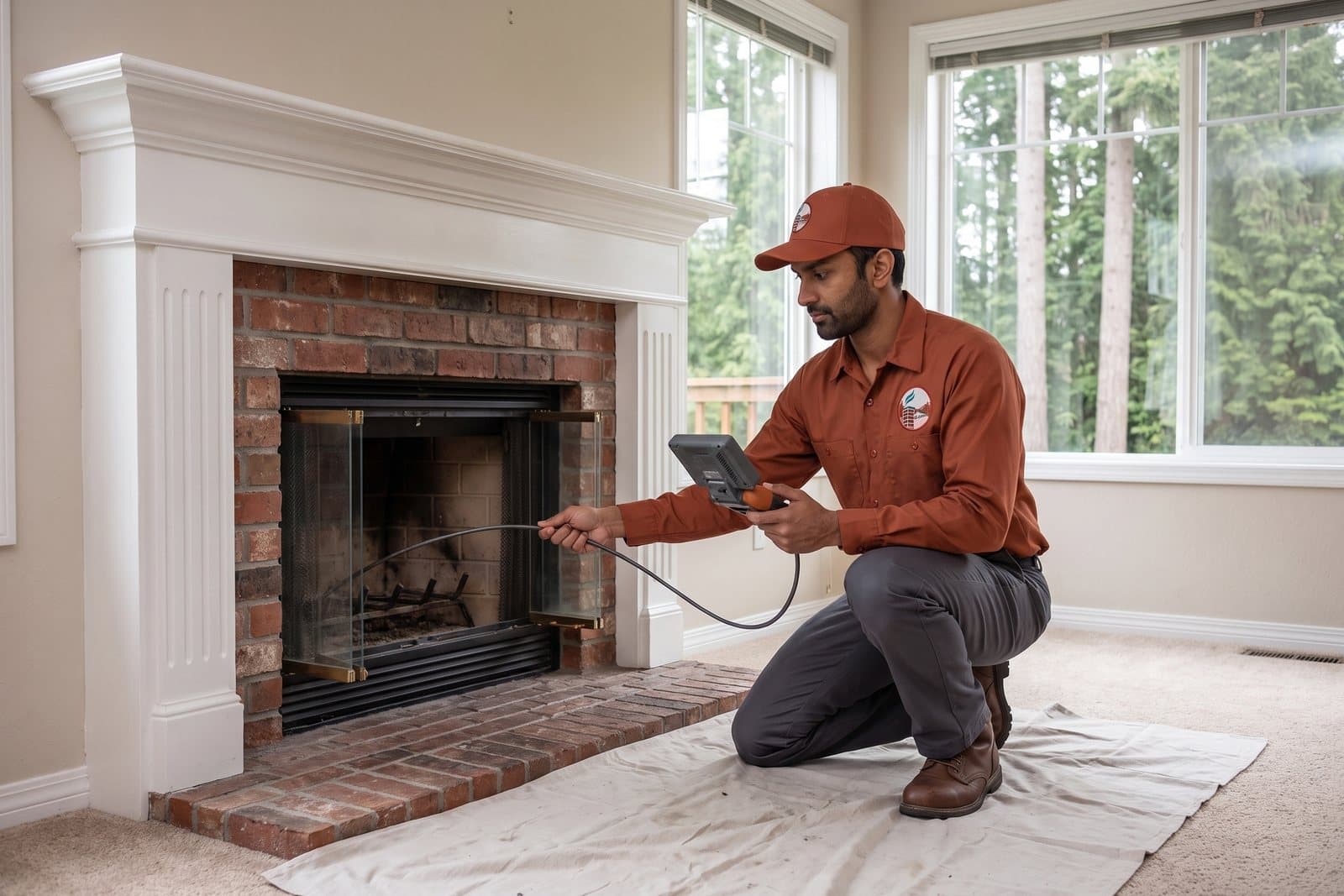
A chimney inspection in Redmond tells you, with photos, what shape the flue, liner, crown, cap and flashing are in before you trust them with another season of fires.
Learn more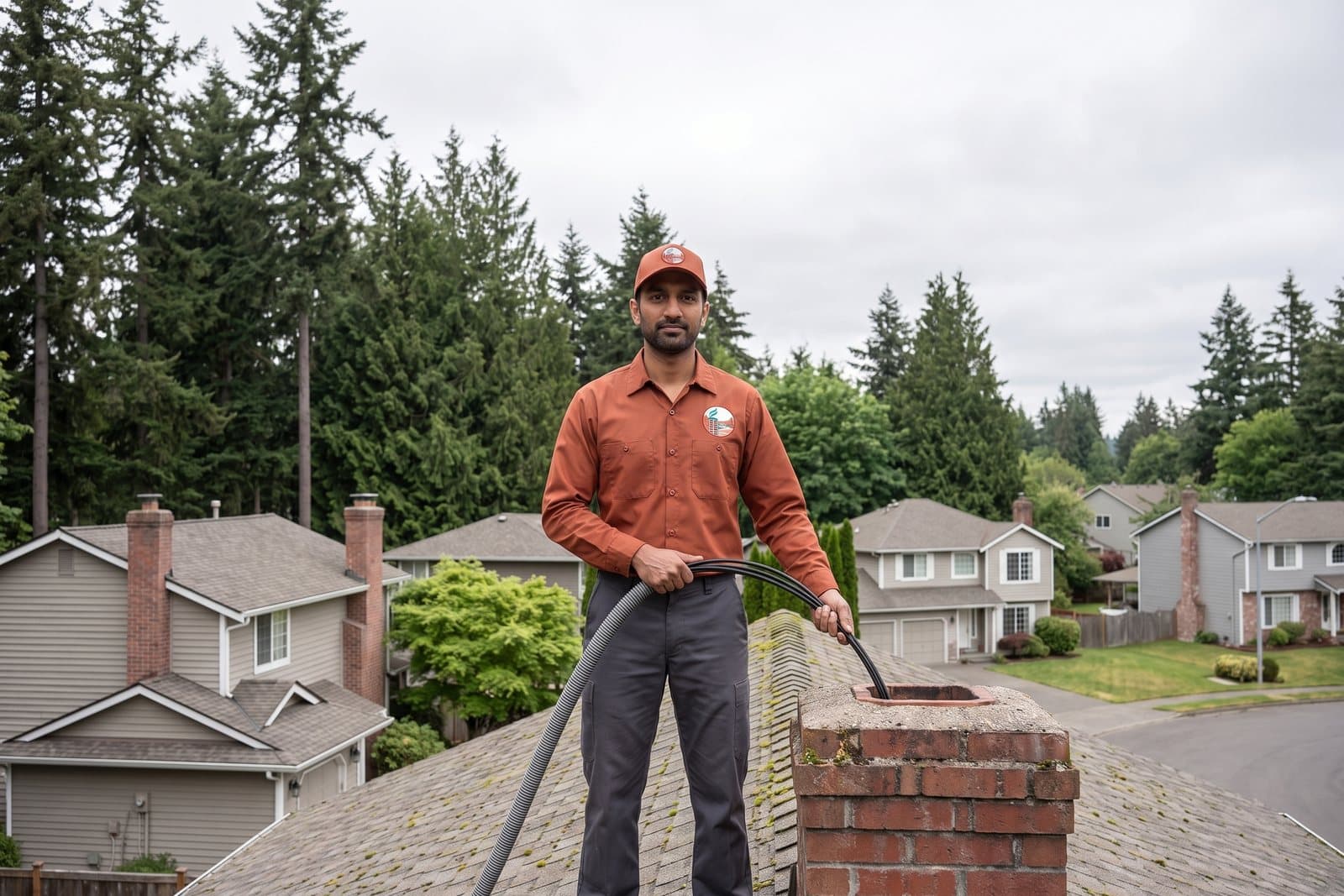
Chimney sweeping in Redmond clears out the soot and creosote last winter's fires left behind, and ends with a look at the flue once its walls are bare.
Learn more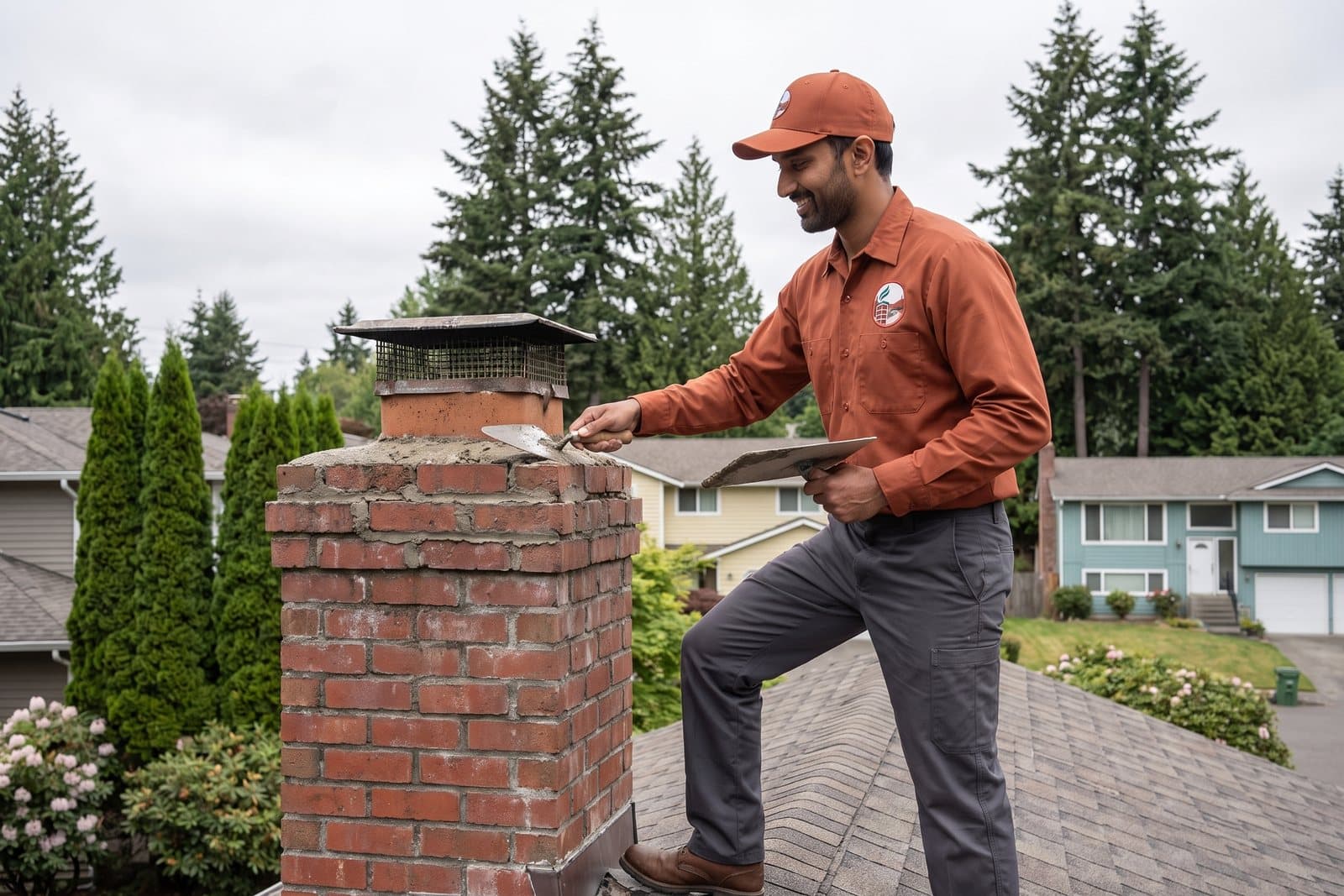
Chimney repair in Redmond covers the structural work on a stack: loose or broken brick, failed joints, a leaning top, and rebuilds when patching is no longer honest.
Learn more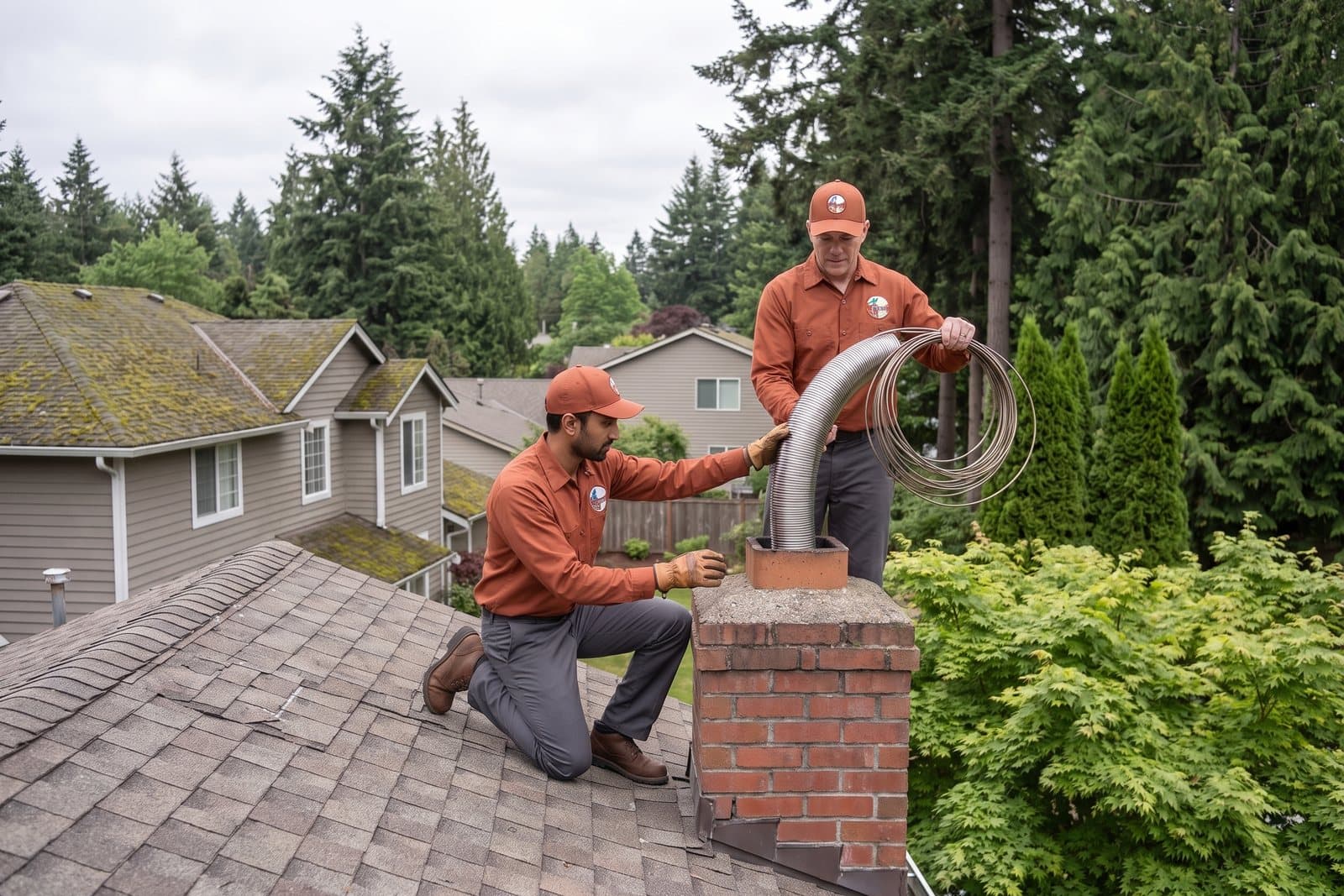
Chimney relining in Redmond gives a damaged or mismatched flue a new stainless steel liner, with a diameter chosen for the appliance that vents through it.
Learn more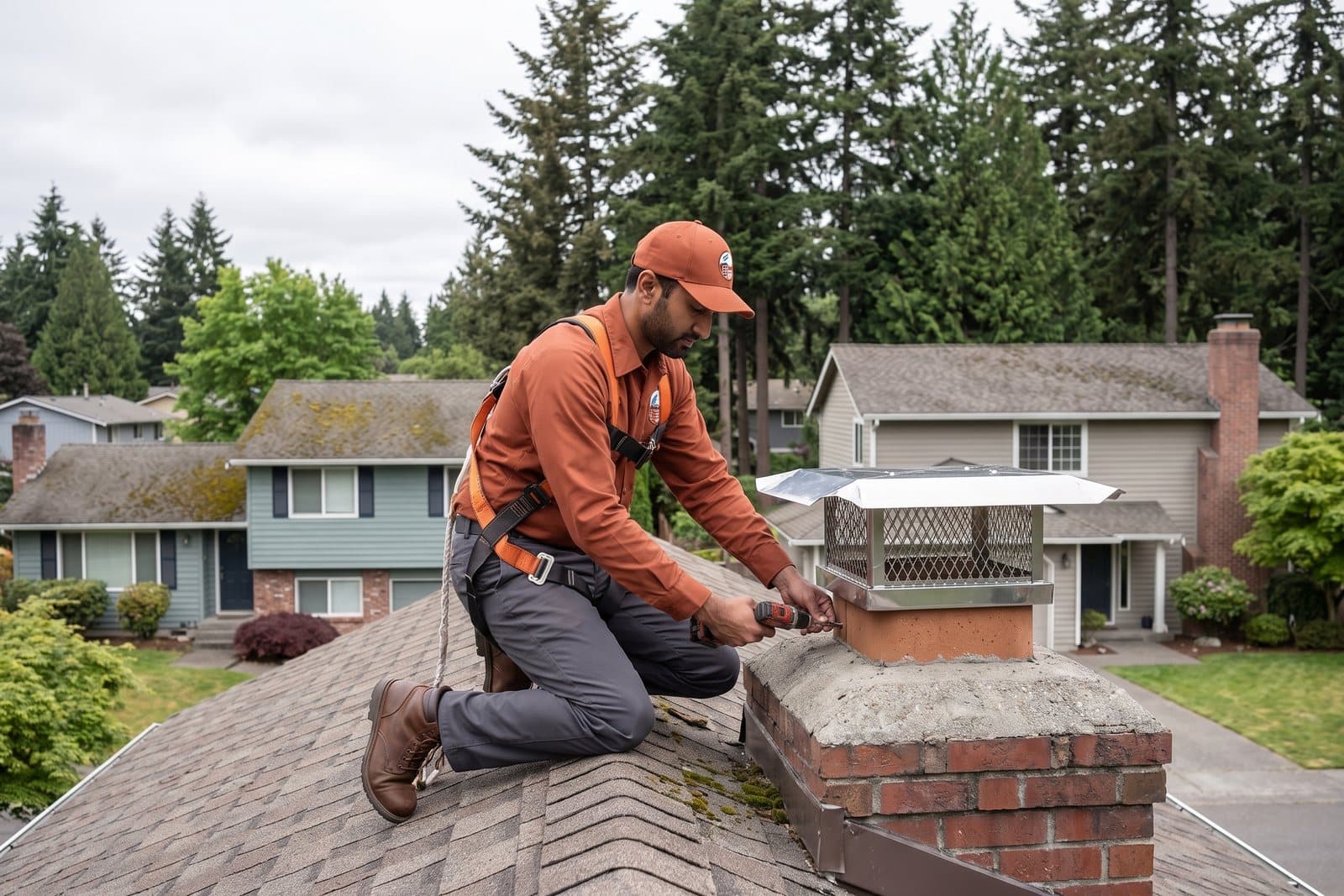
Chimney cap installation in Redmond puts a stainless cover over the flue to keep rain, needles, birds and embers from passing through an opening that was never meant to be left bare.
Learn more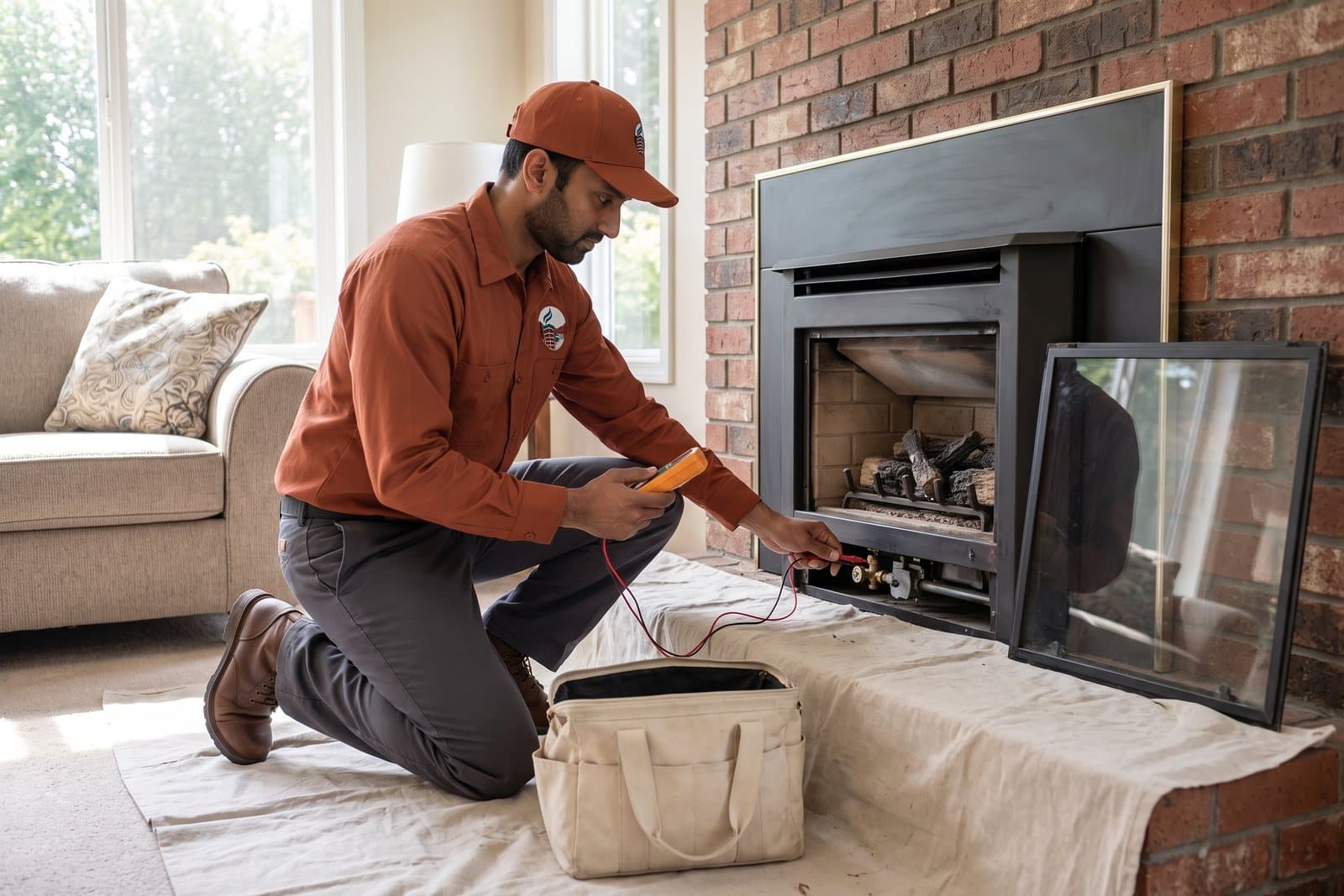
Gas fireplace service in Redmond cleans and tests the burner, pilot, glass and venting of a gas fireplace, insert or log set, so it lights when asked and vents where it should.
Learn moreRanges shown for orientation — the exact figure is written up on-site, after the inspection.
Not all creosote is the same material. It starts as loose soot, becomes a crisp, flaky layer, and, in a flue that runs cool and smoky for long enough, cooks into a dense black glaze that shrugs off a brush. That last stage is what this service is for. We scan the flue to see how much glaze there is and where, apply a remover that changes its structure so it releases from the liner, and then take it off mechanically without cracking the tiles underneath. A closing scan shows the result.
Homes that rely on a wood stove for real heat are where we find the most glaze, and in our area those are concentrated in and around Duvall and Carnation. Keep in mind that a household may keep burning through an air quality ban only if nothing but wood can heat the home adequately and the Puget Sound Clean Air Agency signed off on its exemption ahead of time. Even then, the chimney may not show smoke. A flue coated in glaze makes a clean, smokeless burn much harder to achieve.
CSIA advises a sweep once sooty buildup measures 1/8 inch, and earlier than that whenever glaze appears. Glaze earns that urgency: it is the densest fuel a flue can hold, and it is the form a brush leaves behind.
Glazed creosote ignites at chimney-fire temperatures and burns long enough to crack clay tiles and warp metal liners. Prevention is mostly about wood and air. Ecology, the state's environment department, wants firewood split, covered and stacked a full year before it is burned. State rule goes further on what may never go in the firebox: garbage, plastic, rubber, treated wood, paints, chemicals, waste petroleum and asphaltic products are all prohibited, and paper is tolerated solely as a fire starter. Several of those leave residues that speed glazing, apart from what they put into the air.
How it works
The camera shows whether you have soot, flakes or glaze, and how far up it goes.
A remover is applied and given time to break the bond between glaze and liner.
Rotary tools take off the loosened deposit; heavy cases may need a second round.
With the glaze gone, the liner can finally be checked for cracks.
Licensed& insured Washington chimney contractor
4 communitiesRedmond, Sammamish, Duvall and Carnation
$99 plus taxInspection, credited toward an approved quote
Every jobDocumented with before-and-after photos
If any of these sound familiar, book the $99 plus tax inspection — credited toward the work if you approve the quote:
By town
The 4 East Side communities we serve. Pick yours for local scheduling and the chimney issues we see there.
Before and after
Illustrations of what each repair changes on a typical chimney — not photos of a specific job.
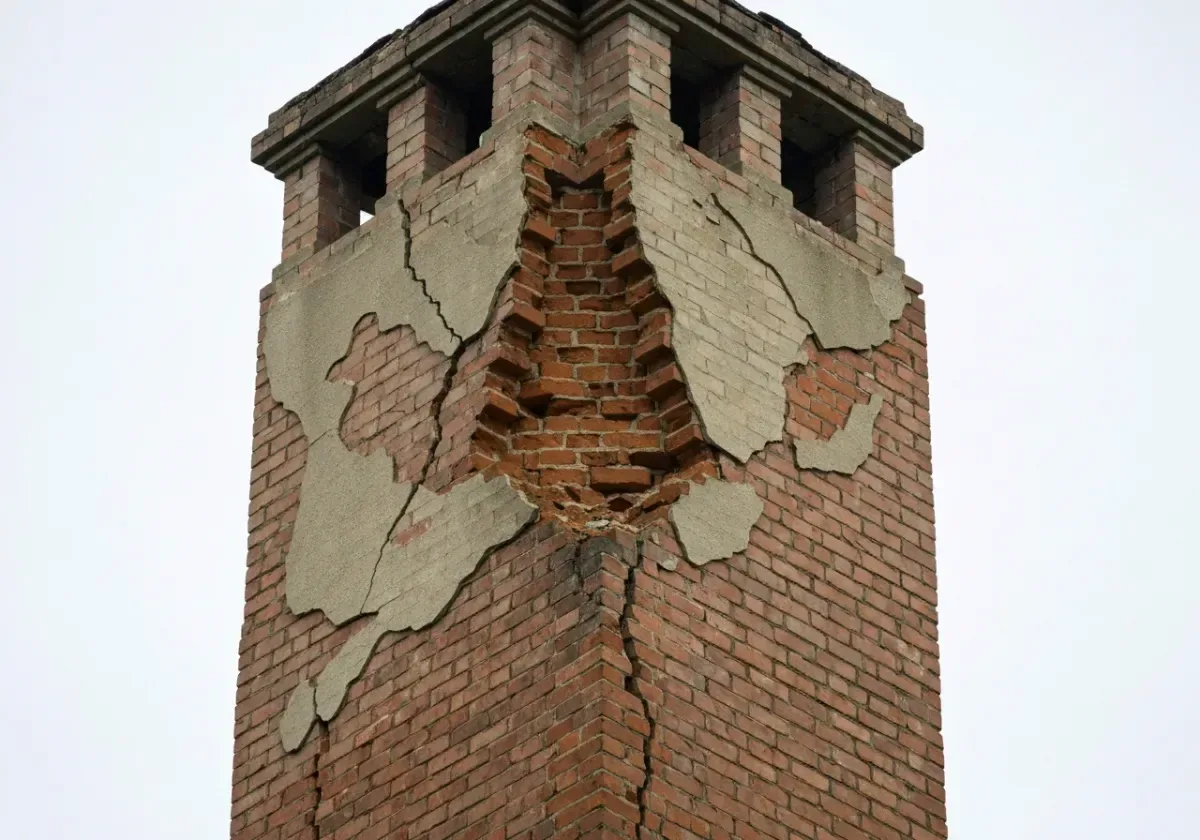 Before
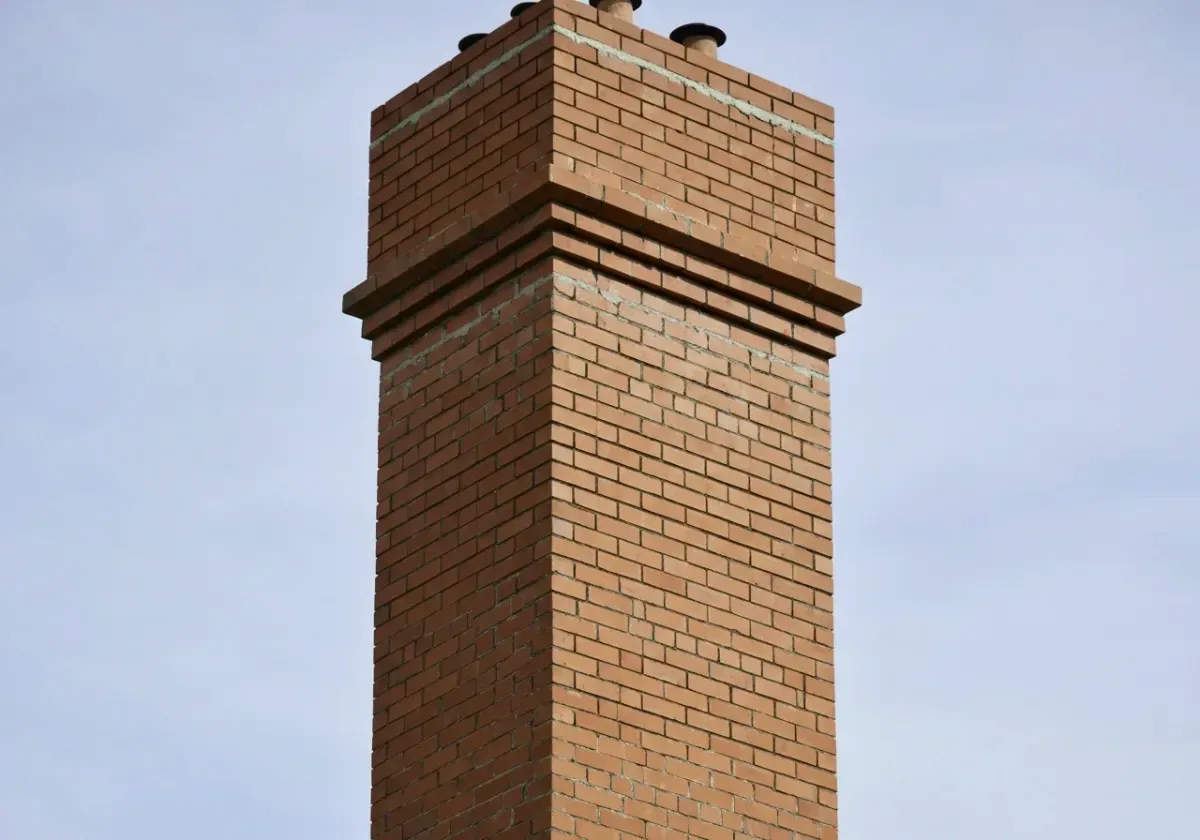 After
After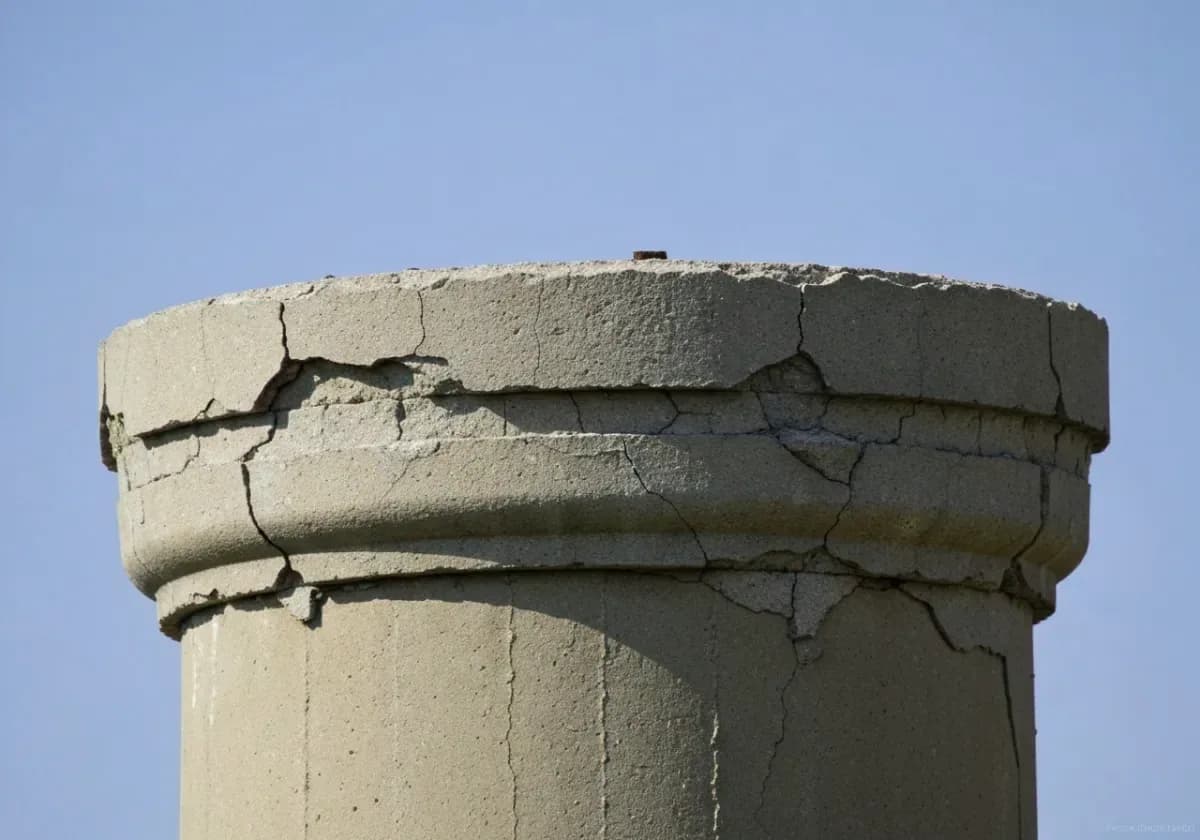 Before
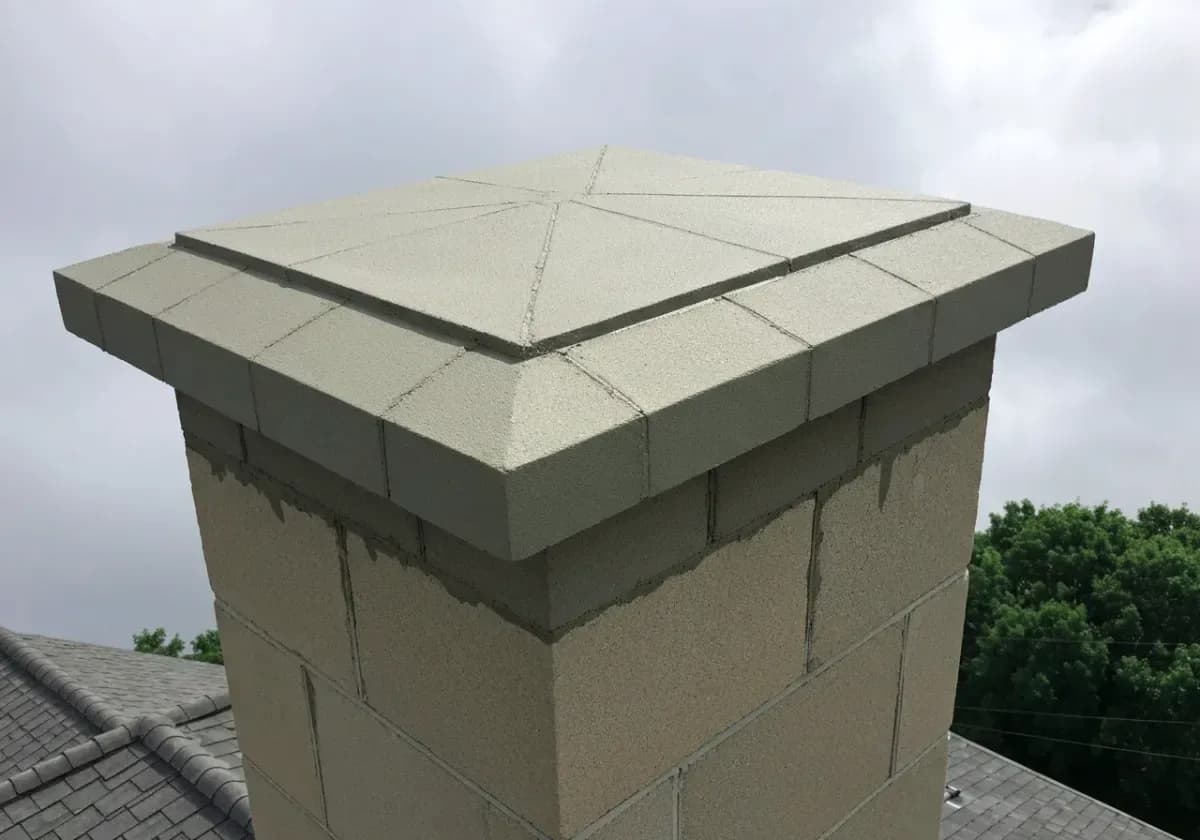 After
After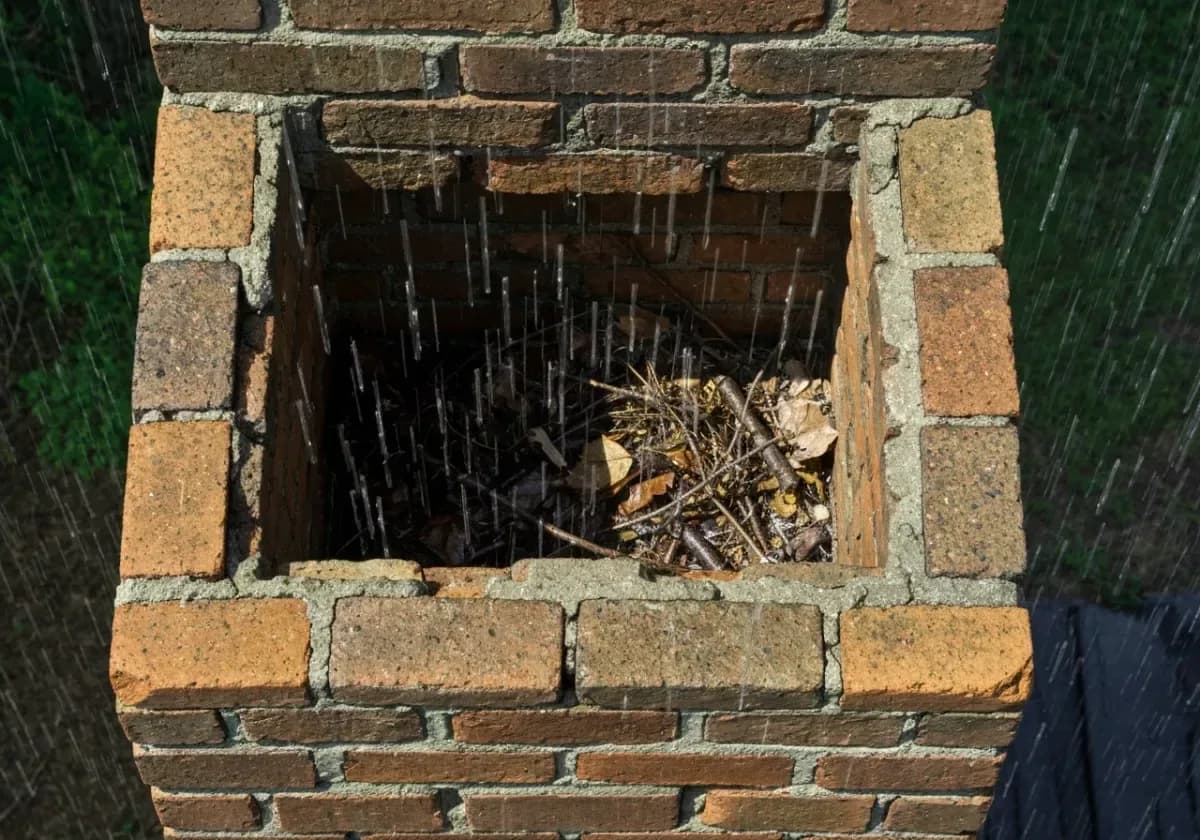 Before
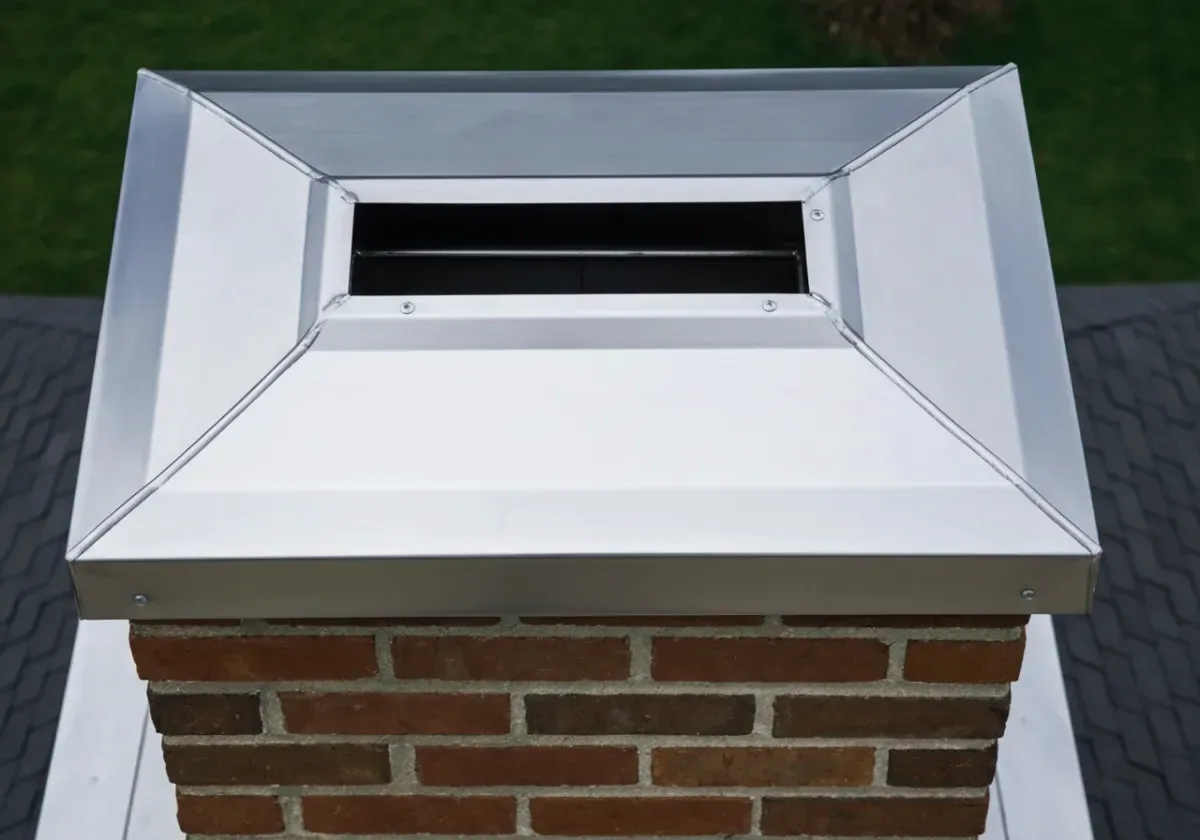 After
After
Four steps, each one on paper — so you always know what happens next.
Choose a genuine opening on the crew's calendar. Confirmation is immediate.
Liner, crown, cap, flashing and masonry examined in order — each finding photographed.
One document, plain numbers, covering only the work your chimney genuinely needs.
The repair is completed, then handed over with before-and-after photos of every item.
Before you let anyone in
Every fact below is one you can check yourself before we ever set foot on your roof.
The on-site inspection is $99 plus tax, and it is credited toward the work when you approve the written quote. Booking online asks for no card.
You get the price in writing, for the work your chimney actually needs, and nothing starts until you have approved it.
Each item we inspect or repair is photographed before and after, so the condition of your chimney is on record.
Call (425) 470-6533 — a local East Side number, the same one on every page of this site.
Licensed& insured Washington chimney contractor
4 communitiesRedmond, Sammamish, Duvall and Carnation
$99 plus taxInspection, credited toward an approved quote
Every jobDocumented with before-and-after photos
Serving Redmond, Sammamish, Duvall & Carnation
Yes. A sweep ($189–$449) brushes out soot and flaky deposits. Creosote removal, priced from $215, adds chemical treatment and rotary work for glaze that brushes slide over. The amount of glaze and the length of flue it covers set the final price.
Please do not try. Lighting off the deposit on purpose is a chimney fire by another name, and it is how flue tiles get cracked. Removal is done cold, with chemistry and tools.
They can dry out light deposits so that a sweep removes them more easily. They do not take the place of a sweep, and they will not clear a glazed flue by themselves.
Burn seasoned wood, give the fire enough air to burn bright, and skip the long smoldering burns. Ecology's benchmark for seasoning is wood split, covered and stacked for a year or more. Then keep the yearly inspection so buildup is caught at the soot stage.
The method is chosen to avoid that: the remover loosens the glaze first so that tools do not have to chip at the tile. If the camera then shows cracks that the glaze was covering, you will see them in the photos.
See creosote removal pricing in detailMore chimney questions
Chimney sweeping in Redmond clears out the soot and creosote last winter's fires left behind, and ends with a look at the flue once its walls are bare.
Learn moreA chimney inspection in Redmond tells you, with photos, what shape the flue, liner, crown, cap and flashing are in before you trust them with another season of fires.
Learn moreChimney relining in Redmond gives a damaged or mismatched flue a new stainless steel liner, with a diameter chosen for the appliance that vents through it.
Learn more| Service | Price in Redmond | What that covers |
|---|---|---|
| Creosote Removal | From $215 | Priced by creosote stage — glazed stage 3 is the heavy end |
| Chimney Sweep | $189–$449 | Full flue swept, Level 1 inspection included |
| Chimney Inspection | $99 plus tax | Level 1 visual; Level 2 adds a full camera scan |
| Chimney Relining | From $1,900 | Full-length stainless liner, sized to the appliance |
Ranges are what these jobs are quoted at in Redmond. The exact figure is set on site after a $99 inspection (credited toward the job if you go ahead), and you approve it before any work starts.
Licensed local crews, a $99 on-site inspection credited toward repairs, and a written quote before any work. Book a real open slot on our calendar.