Sammamish, King County
Sammamish is a plateau city, about 500 feet up, with Lake Sammamish along its western edge and Pine Lake and Beaver Lake on top. Close to half of it is under trees. Most of its houses went up within the same two decades and most of them heat with gas. Each of those facts changes what a chimney here needs, and this page sets them out with their sources before pointing you to the work itself.
Book an inspection
Book your $99 inspection
$99 plus tax, deducted when you approve the repair
Not sure where to start
Pick what you're seeing at your Sammamish home — we'll point you to the right fix.
What we do
The same crew, the same written quote — for Sammamish homes.
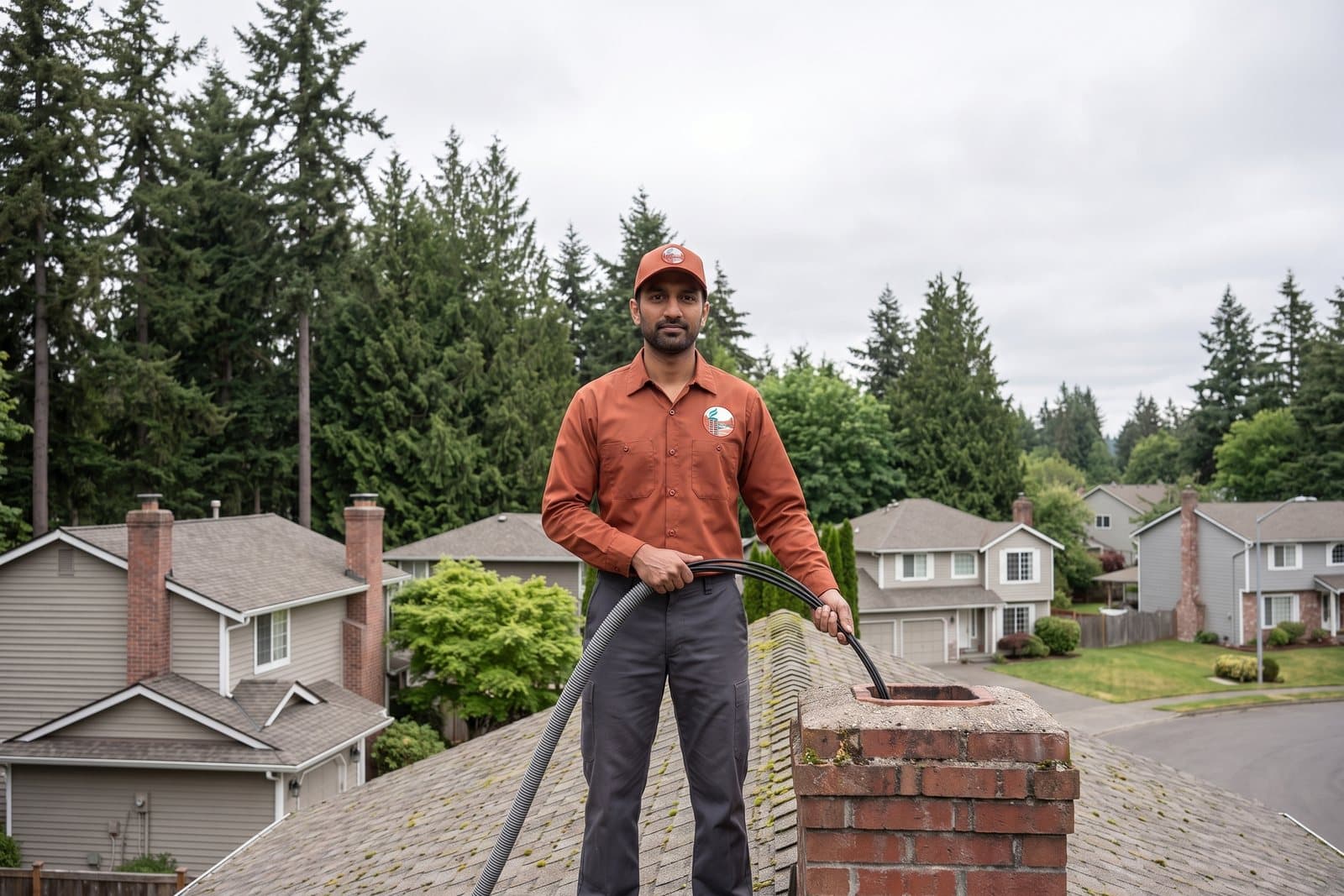
Brushing of the whole flue, top to firebox, with brush heads sized to the liner
Learn more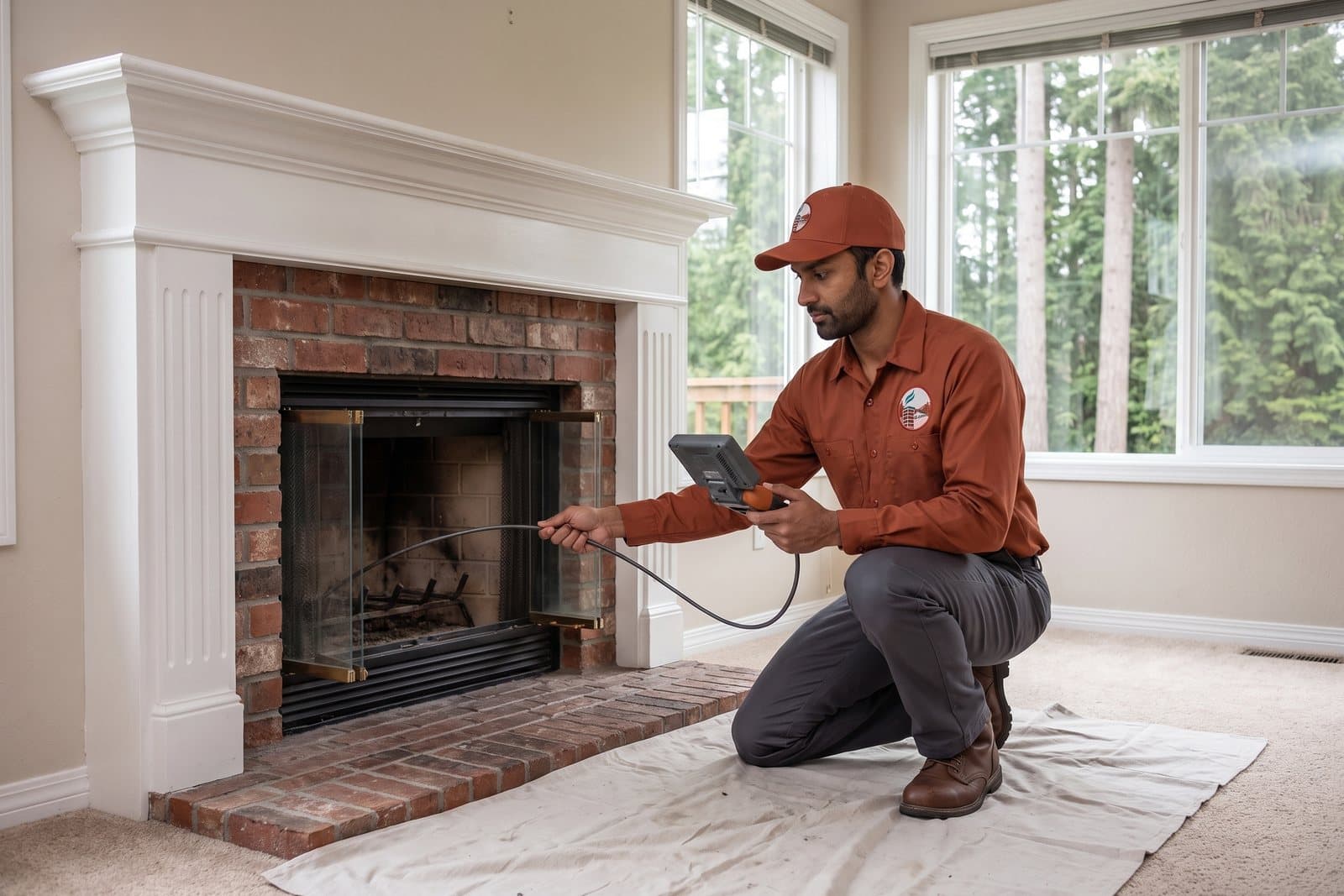
A Level 1 check, or a Level 2 with a camera run through the flue when the visible parts are not enough
Learn more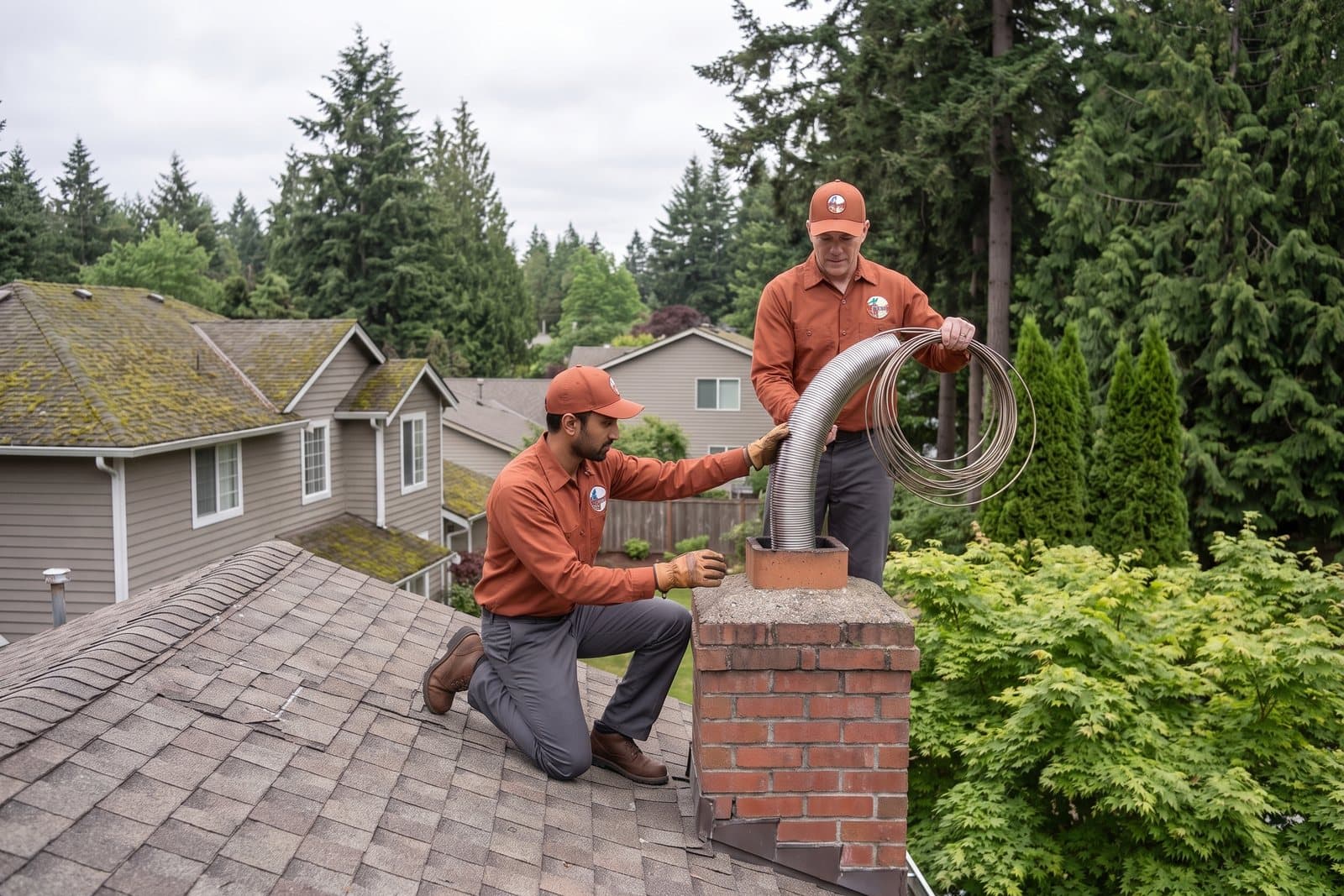
A camera run and full measurements before any liner is ordered
Learn more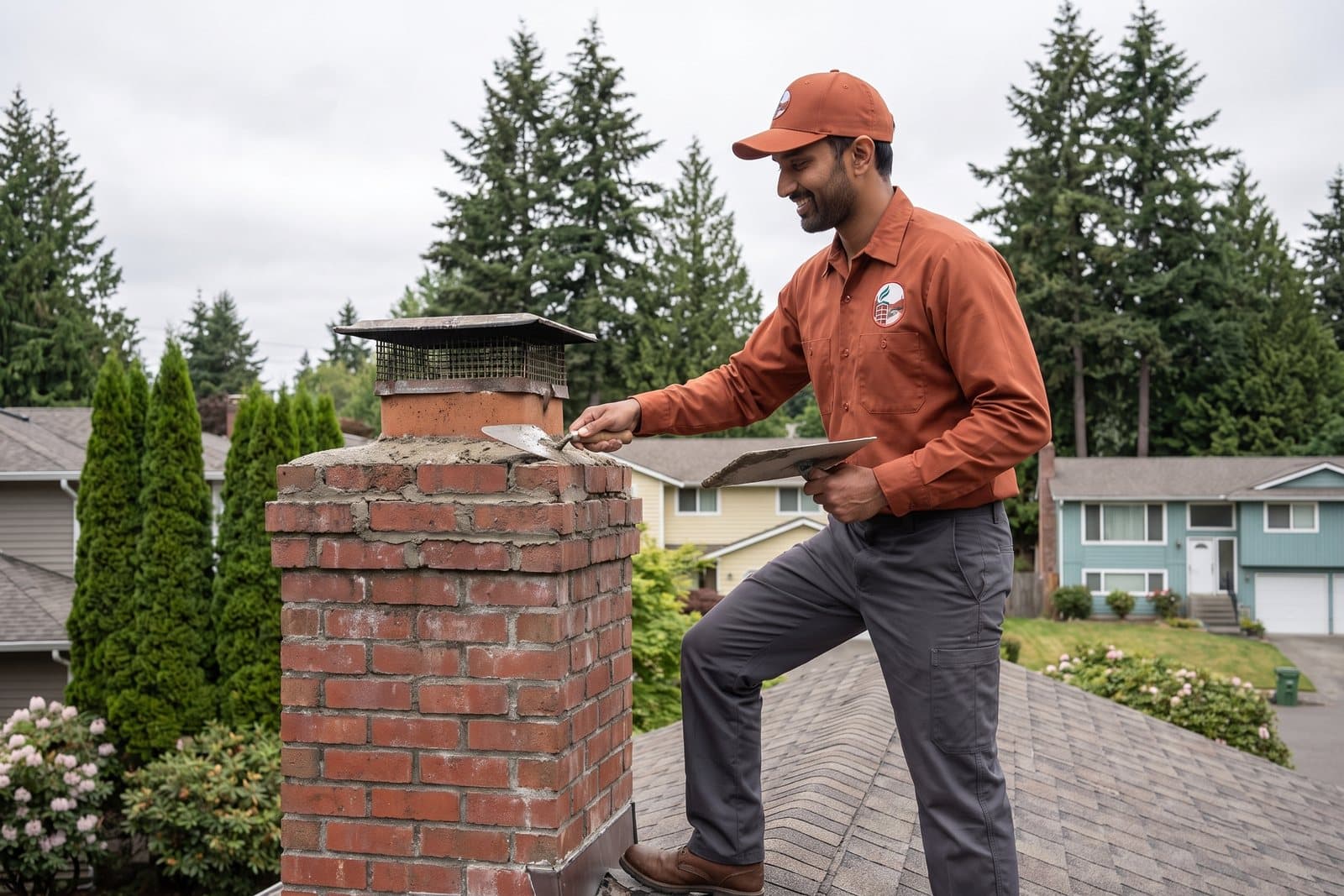
A photographed assessment that separates cosmetic wear from structural damage
Learn more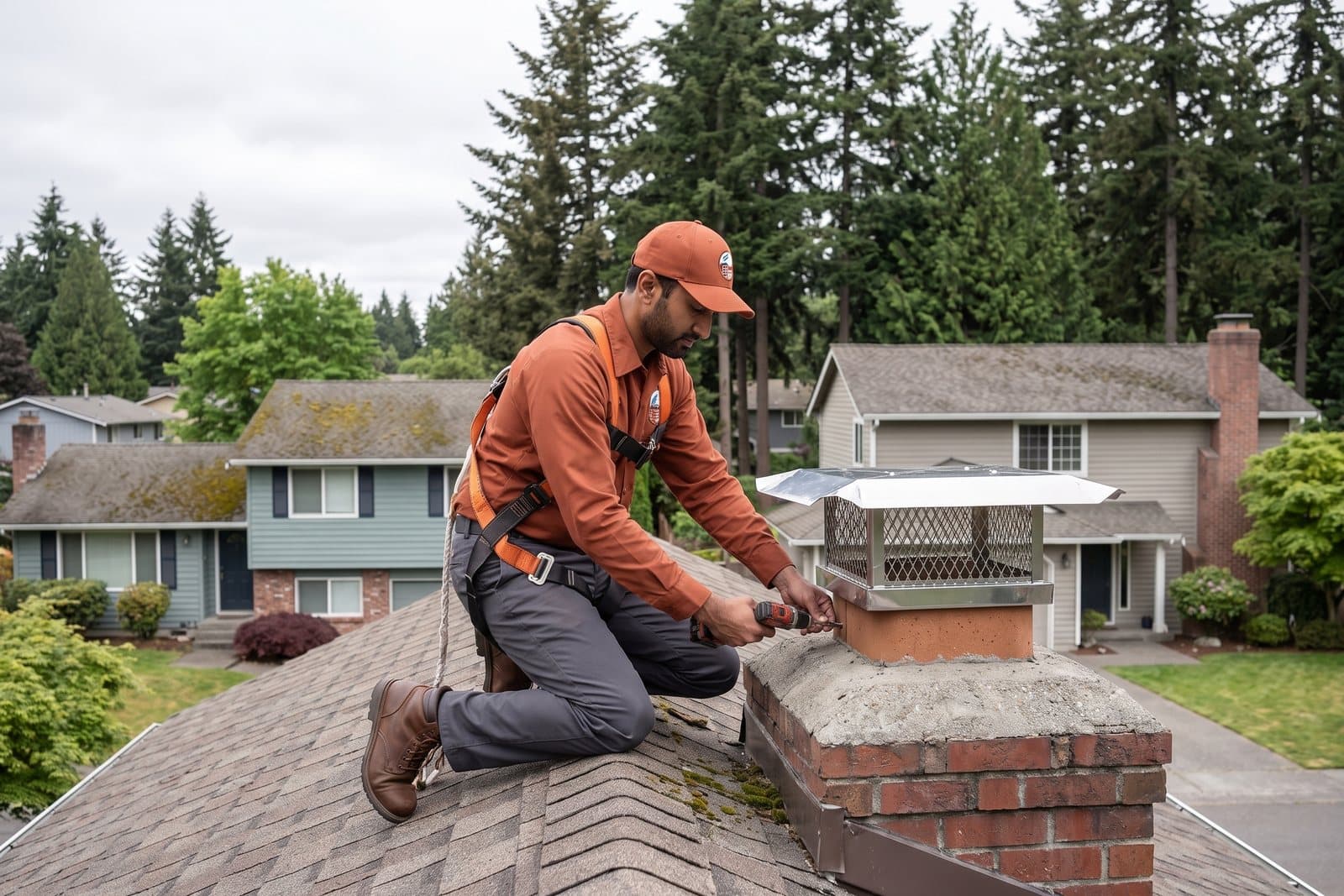
Measurement of each flue, or of the full crown for a multi-flue cap
Learn more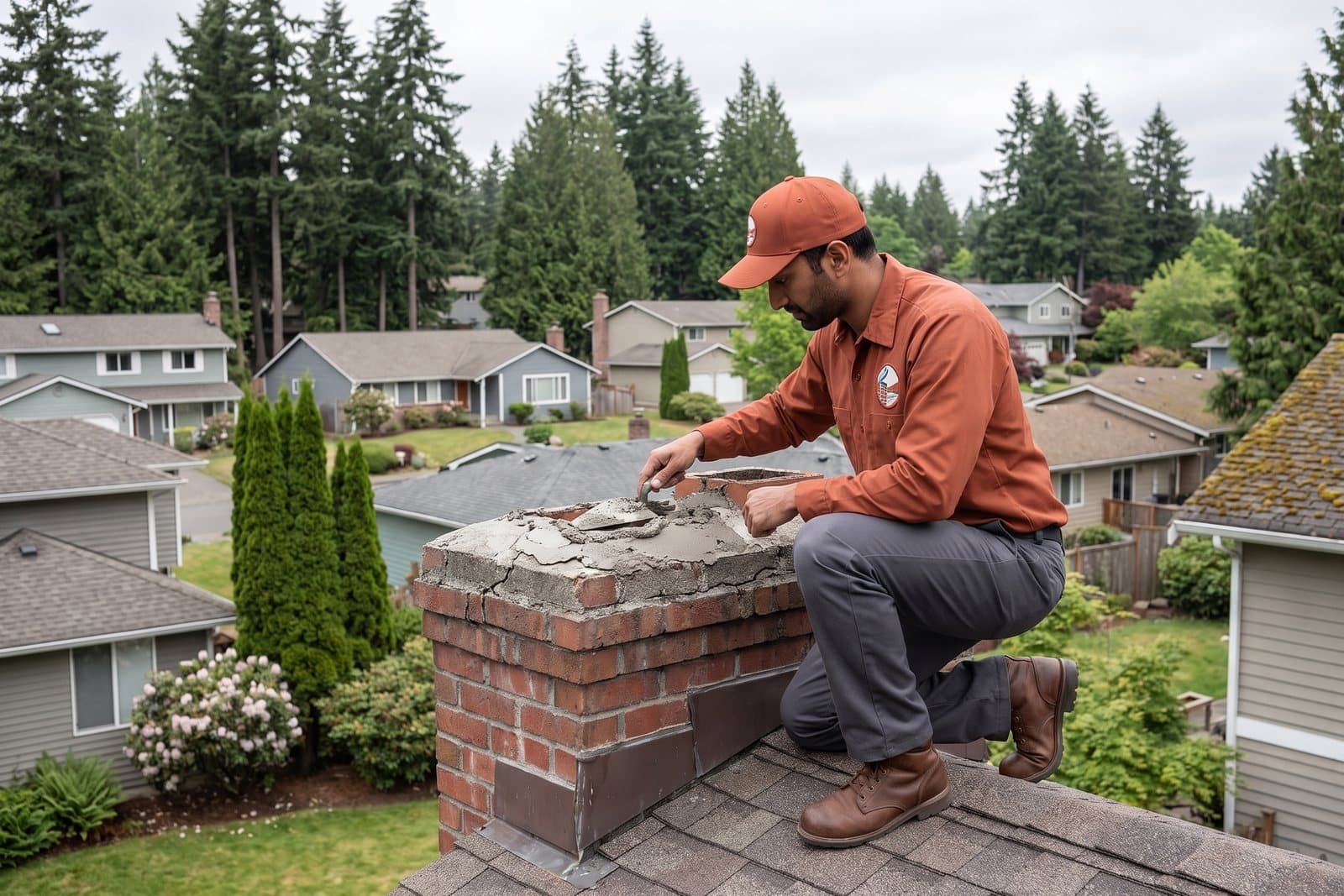
Close-up photos of the crown and of every face of the stack
Learn more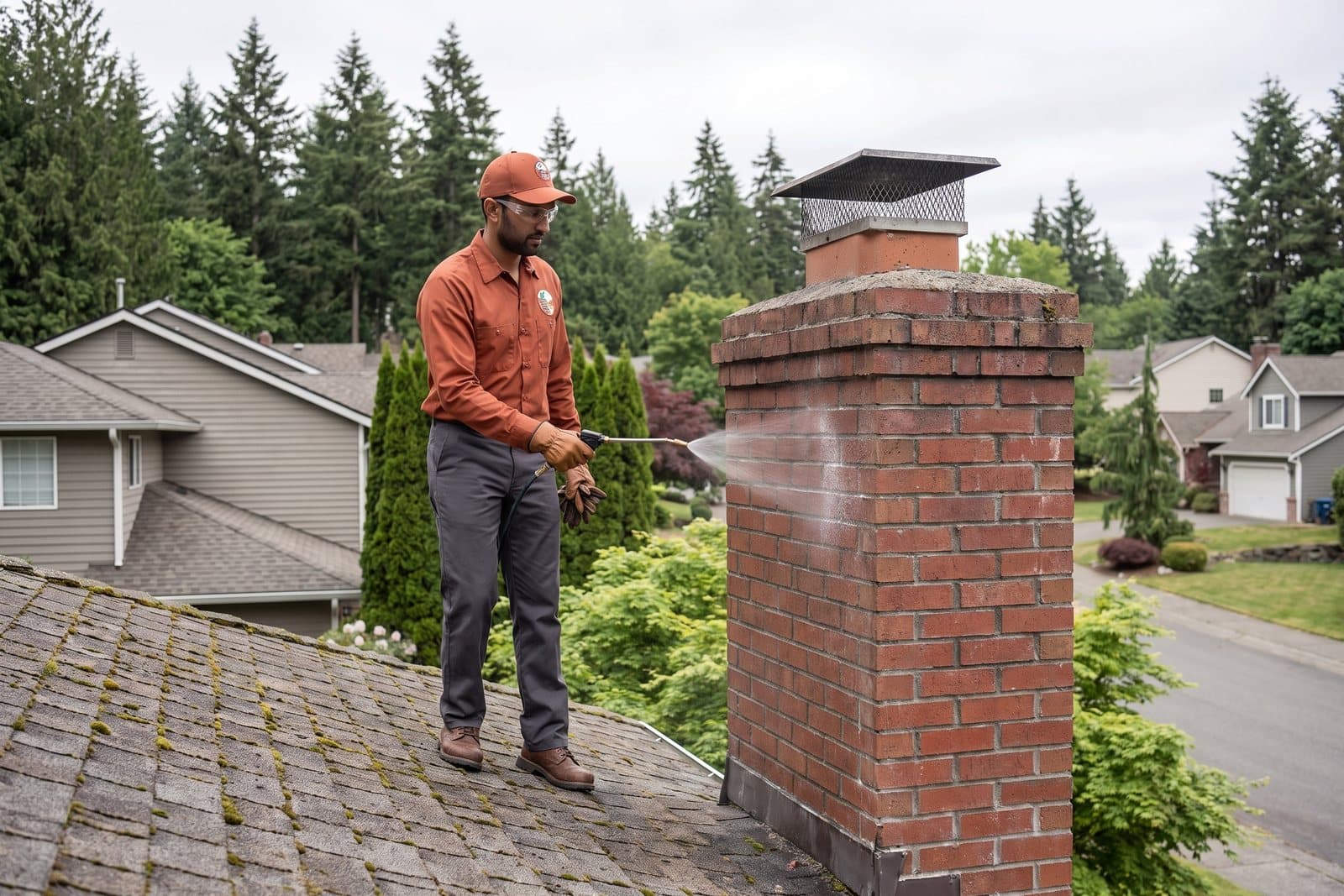
Inspection of brick, joints and crown before anything is applied
Learn more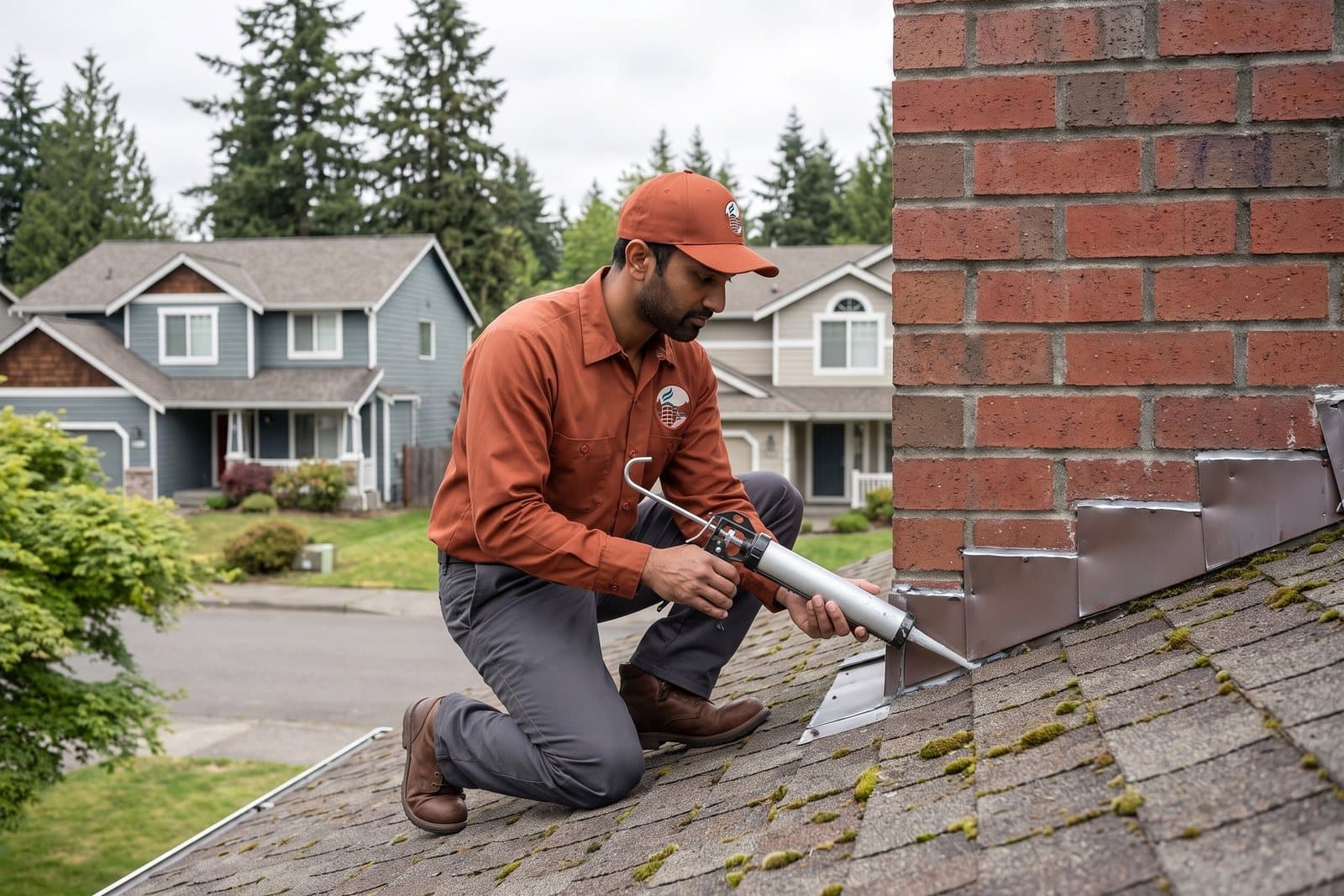
Leak tracing at the roof and, where reachable, in the attic
Learn more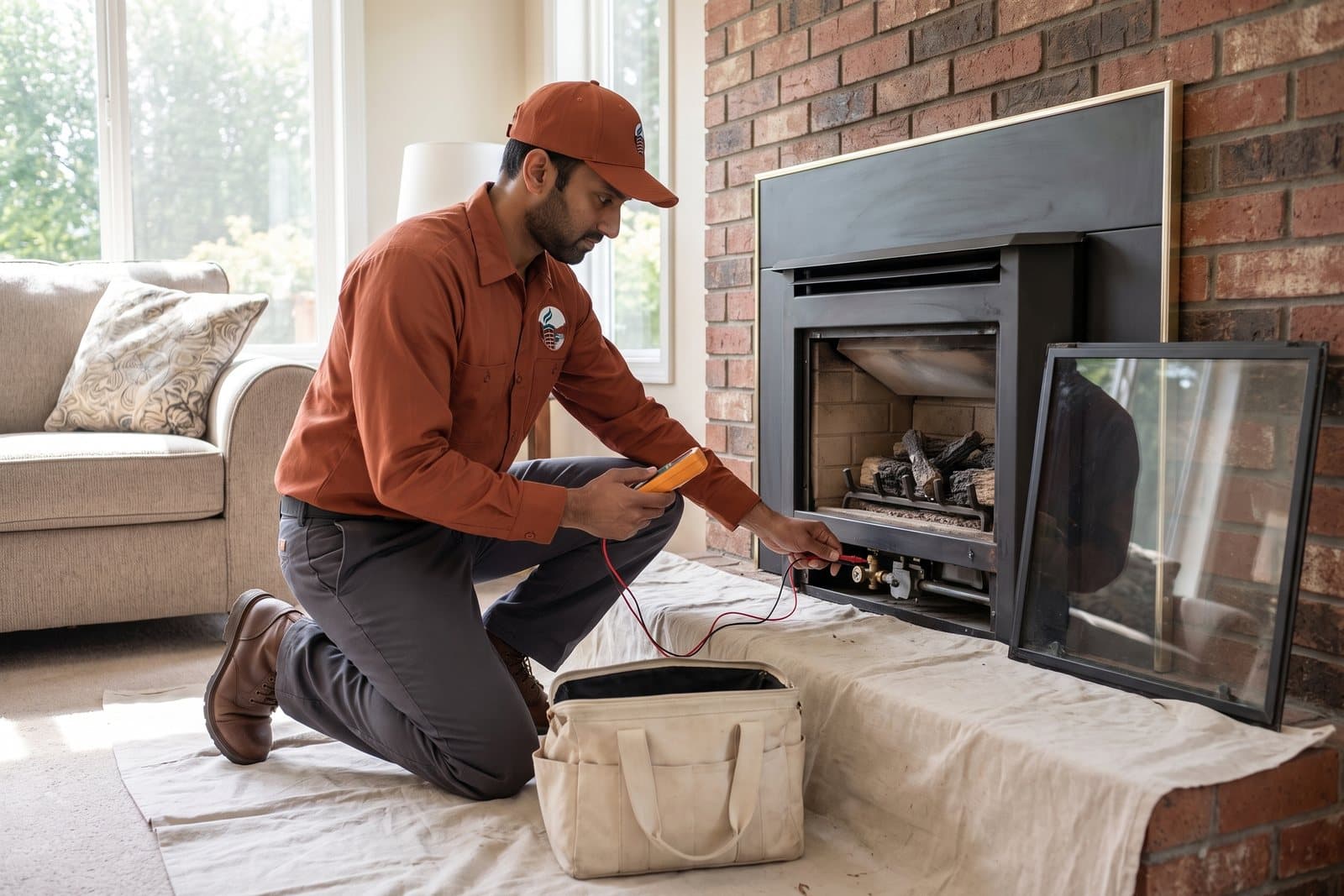
Cleaning and testing of the burner, the pilot assembly and the ignition
Learn more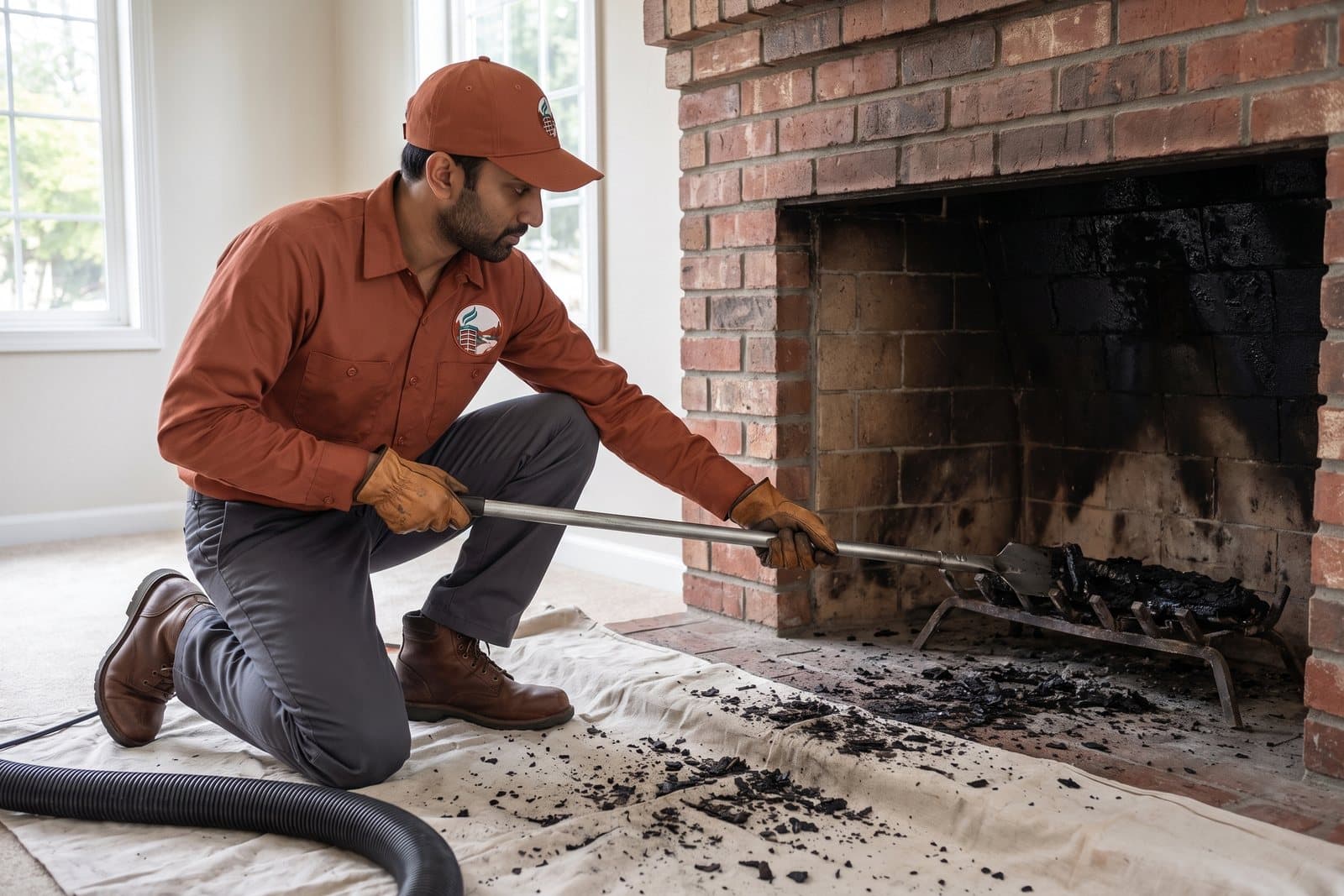
A camera scan to grade the deposits and map where they sit
Learn more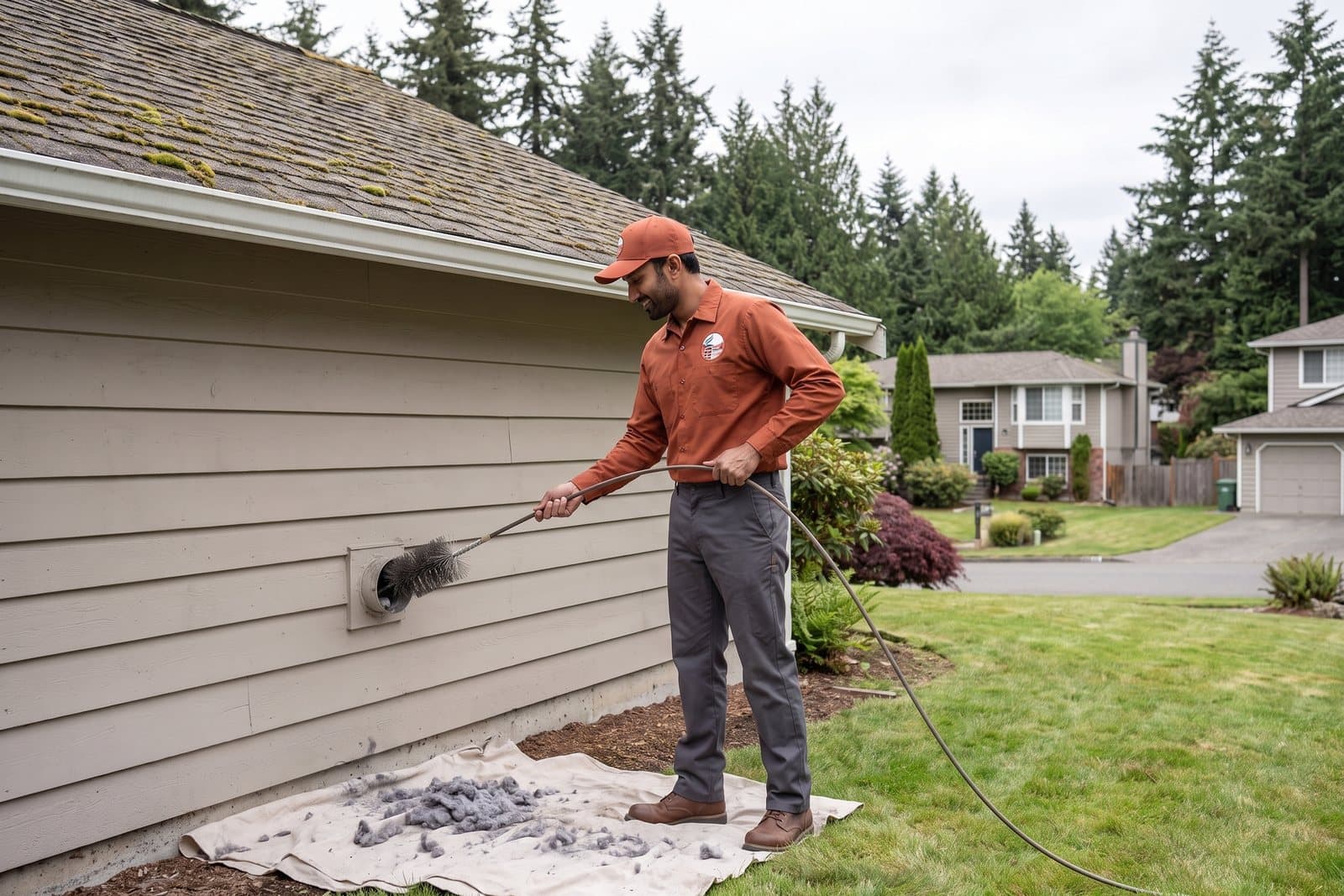
Rotary brushing and air cleaning of the full duct length
Learn more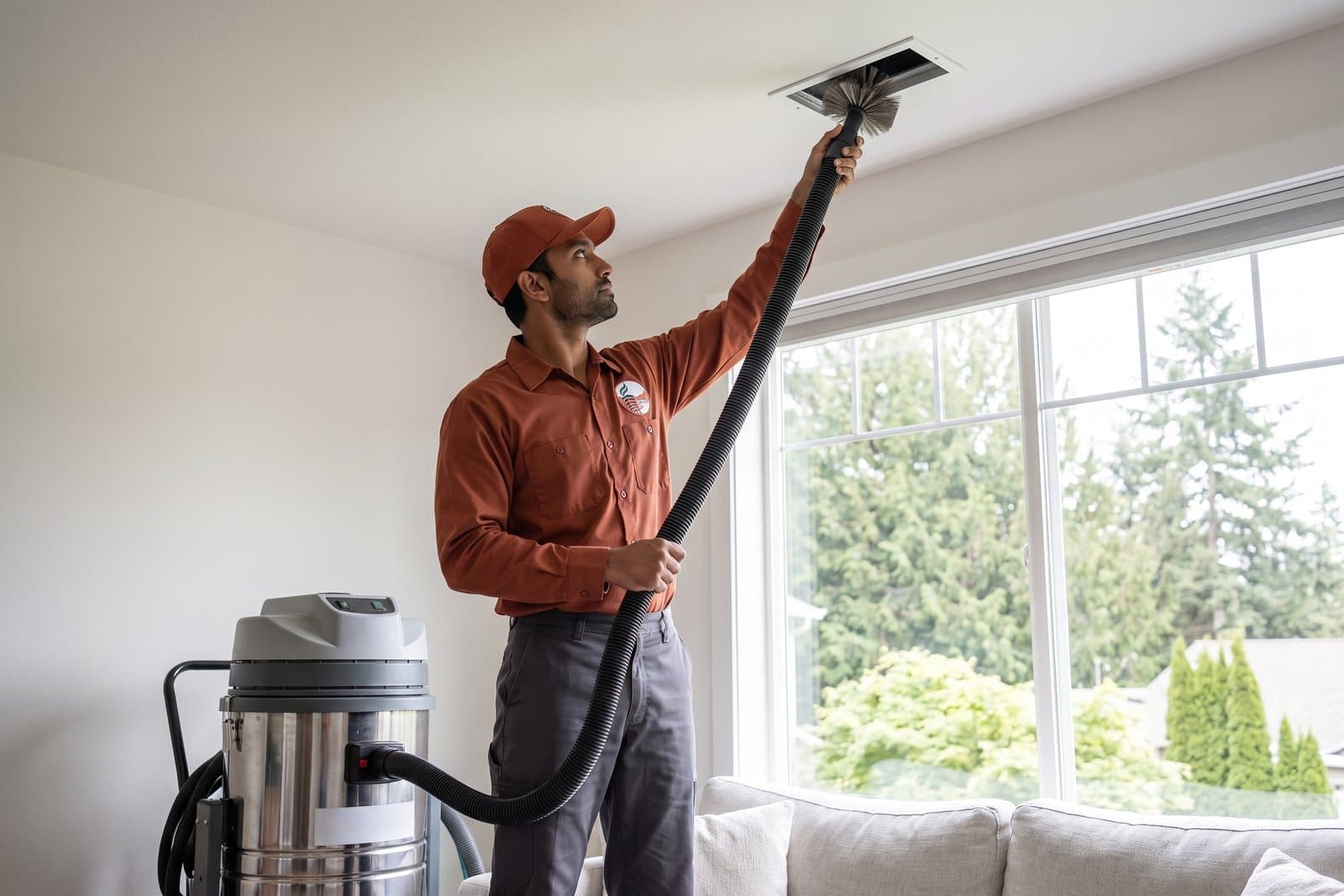
Every supply and return run cleaned with agitation tools under negative pressure
Learn moreRanges shown for orientation — the exact figure is written up on-site, after the inspection.
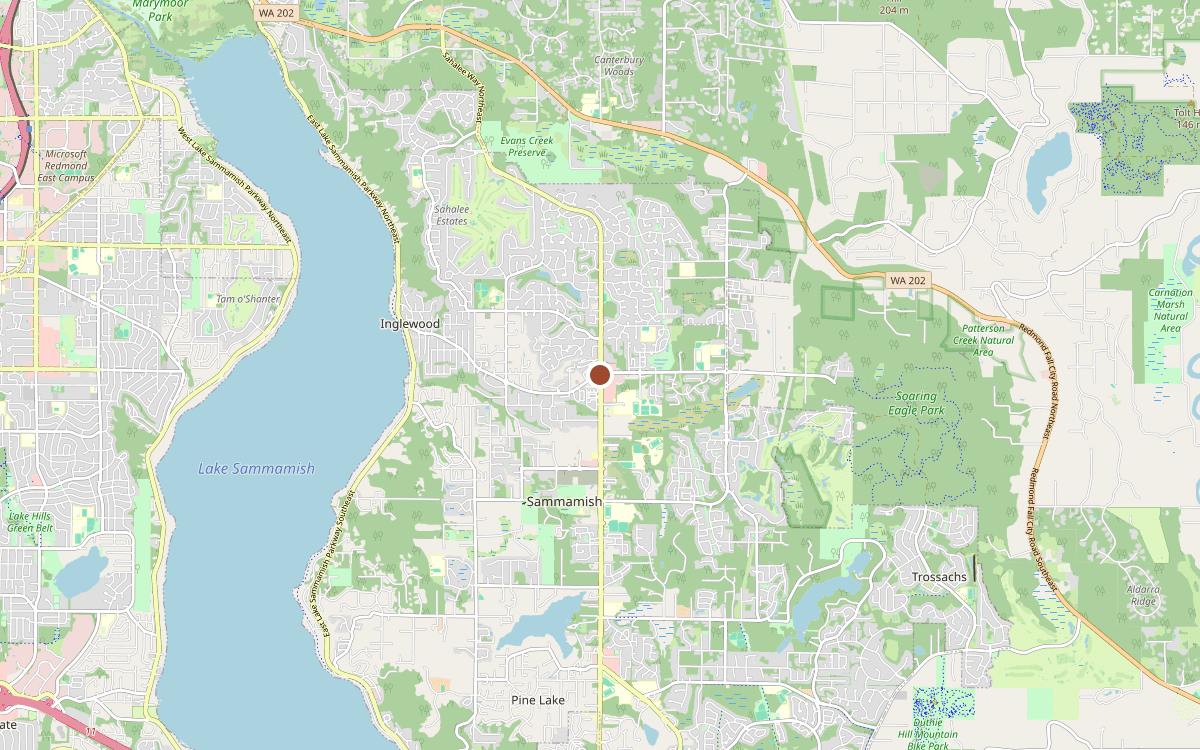
Service-area map — Sammamish, WA. Map data © OpenStreetMap contributors.
For most of the twentieth century the plateau was resort and farm country. HistoryLink records Pine Lake Resort operating from about 1917 to 1966 on what is now Pine Lake Park, and a resort opening on Beaver Lake about 1936. Suburban building arrived in the early 1960s with Sunny Hills at the south end; the first eighteen holes at Sahalee opened in August 1969, when fewer than 5,000 people lived up here. The population passed 10,000 around 1984, voters approved incorporation in November 1998, and Sammamish became a city on August 31, 1999. Klahanie and adjacent neighborhoods joined on January 1, 2016. The state's Office of Financial Management put the April 1, 2026 population at 68,500, in 22,986 housing units.
Census estimates for 2020 to 2024 give Sammamish a median construction year of 1994. About 53.6% of its housing dates from the 1980s and 1990s and another 33.4% from 2000 onward; only 13.0% predates 1980, and 117 homes predate 1940. King County's median, by comparison, is 1983. Roughly 81.4% of units are single-family detached houses and 82.6% of occupied homes are owner-occupied.
What the census does not record is the fireplace. It lists a decade and stops there: brick stack, metal flue boxed in framing, or sealed gas unit vented through a wall, the survey cannot say. We do not guess from the street or the year. The system is identified on site, from its data plate and its construction, and the advice follows from that.
Of 22,144 occupied homes, about 72.1% heat primarily with utility gas and 25.9% with electricity. Forty-nine households, give or take 38, report wood as their main fuel. That makes Sammamish the most gas-reliant of the four cities we serve.
Primary fuel is not the whole picture, since the survey does not count fireplaces or stoves used for an occasional fire. But it does say what kind of calls to expect: gas appliances that need yearly attention, and wood-burning fireplaces that are lit a few times a winter and overlooked the rest of the year.
WeatherSpark's long-term averages give Sammamish some seven wetter months, October 8 to May 8, peaking in November at roughly 8.9 inches. The windier part of the year runs from mid-October to mid-April. Snow is modest on paper, about 1.7 inches in an average January, but the city's hazard annex adds a local correction: because of altitude and geography, accumulations here are often higher than in neighboring communities, and ice closes many of the steep roads.
For chimney work that means two seasons. Roof-level jobs that need dry masonry belong between mid-June and early October. Interior work, camera surveys and gas servicing carry on through winter, with roof access decided day by day.
Sammamish's hazard mitigation annex gives the city's area as 13,228 acres and reports 48% of it under tree canopy or woody shrubs. It goes on to say that this dense cover is why winter storms so often leave toppled trees and fallen limbs, with power lines down, homes damaged and roads blocked.
Two university extension services describe the slower effect of living under trees. Oregon State's says roof moss is inevitable in the moist Pacific Northwest and that the durable fix is more sunlight, achieved by trimming nearby trees. Washington State's demossing manual states that uncontrolled moss shortens a roof's life. A chimney shares the roof's shade and its litter, so the same two things, impact and damp, account for much of what we find at the top of a Sammamish stack.
The plateau has a fire in its history. The city's hazard annex records that the Beaver Lake Fire of 1939 began here and burned more than 35 square miles in two days. The annex judges wildfire risk west of the Cascades to have been low historically and to be rising with drought and stressed trees, and it points to steep forested slopes and numerous urban-forest interfaces inside the city limits.
The recent record is regional. A statewide emergency order signed by the governor on August 1, 2026 banned burning until September 30; it cited more than 1,000 fires and about 425,000 acres burned. Puget Sound Clean Air Agency advises HEPA filtration and a sealed clean room when smoke settles in. For a household with a wood-burning fireplace, the practical points are a screened top on the flue, a flue with no deposits in it, and a damper that shuts.
The grid we quote from for Sammamish homes — the $99 inspection comes first, the written quote before any work.
| Service | Price in Sammamish | What that covers |
|---|---|---|
| Chimney Sweep | $189–$449 | Full flue swept, Level 1 inspection included |
| Chimney Inspection | $99 plus tax | Level 1 visual; Level 2 adds a full camera scan |
| Chimney Relining | From $1,900 | Full-length stainless liner, sized to the appliance |
| Chimney Repair | From $425 | Masonry repair — brick and mortar, scoped after diagnosis |
| Chimney Cap Installation | $235–$850 | Stainless cap fitted; multi-flue and custom at the top |
| Masonry Repair (Crown / Repointing) | From $475 | Crown work, repointing and tuckpointing by surface area |
| Chimney Waterproofing | $285–$790 | Breathable sealer — reapplied every 3–5 years in this climate |
| Chimney Flashing Repair | $330–$1,500 | Reseal at the low end, full flashing replacement at the high |
| Gas Fireplace Service | $189–$425 | Annual service and tune-up; repairs quoted after diagnosis |
| Creosote Removal | From $215 | Priced by creosote stage — glazed stage 3 is the heavy end |
| Dryer Vent Cleaning | $105–$265 | Full run cleaned; roof or upper-floor terminations at the top |
| Air Duct Cleaning | From $525 | Whole HVAC system — trunks, branches and every register |
Ranges are what these jobs are quoted at in Sammamish. The exact figure is set on site after a $99 inspection (credited toward the job if you go ahead), and you approve it before any work starts.
Sammamish lists the 2021 Washington State Residential Code, adopted at SMC 16.05.080, the 2021 Washington State Mechanical Code at SMC 16.05.090 and the 2021 International Fuel Gas Code at SMC 16.05.120 among its codes in effect. Statewide, the 2021 codes took effect on March 15, 2024. Building permit applications are filed online through MyBuildingPermit.com, where Sammamish is a member jurisdiction, and inspections are scheduled in the same portal.
The residential code's chimney chapter sets the rules we build to. One example: where a chimney comes through the roof, its top must stand 3 feet or more above the upper edge of that opening, and 2 feet or more above any portion of the building that lies within 10 feet. A factory-built fireplace needs both its listing and its label, and the listing governs how it goes in. When a job changes an appliance or a flue, we ask the city's Building Division what it requires before work is scheduled, and handle the application when one is needed.
Before and after
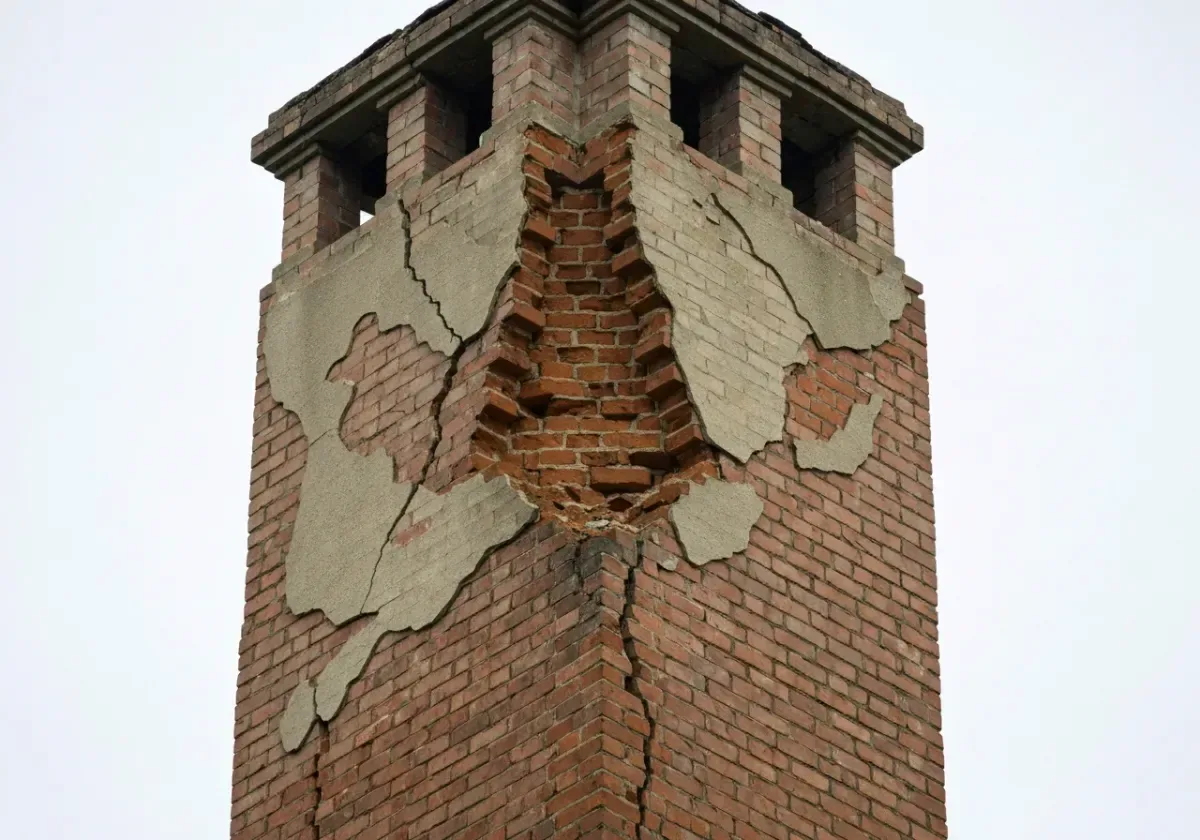
Illustrations of what each repair changes on a typical chimney — not photos of a specific job.
 Before
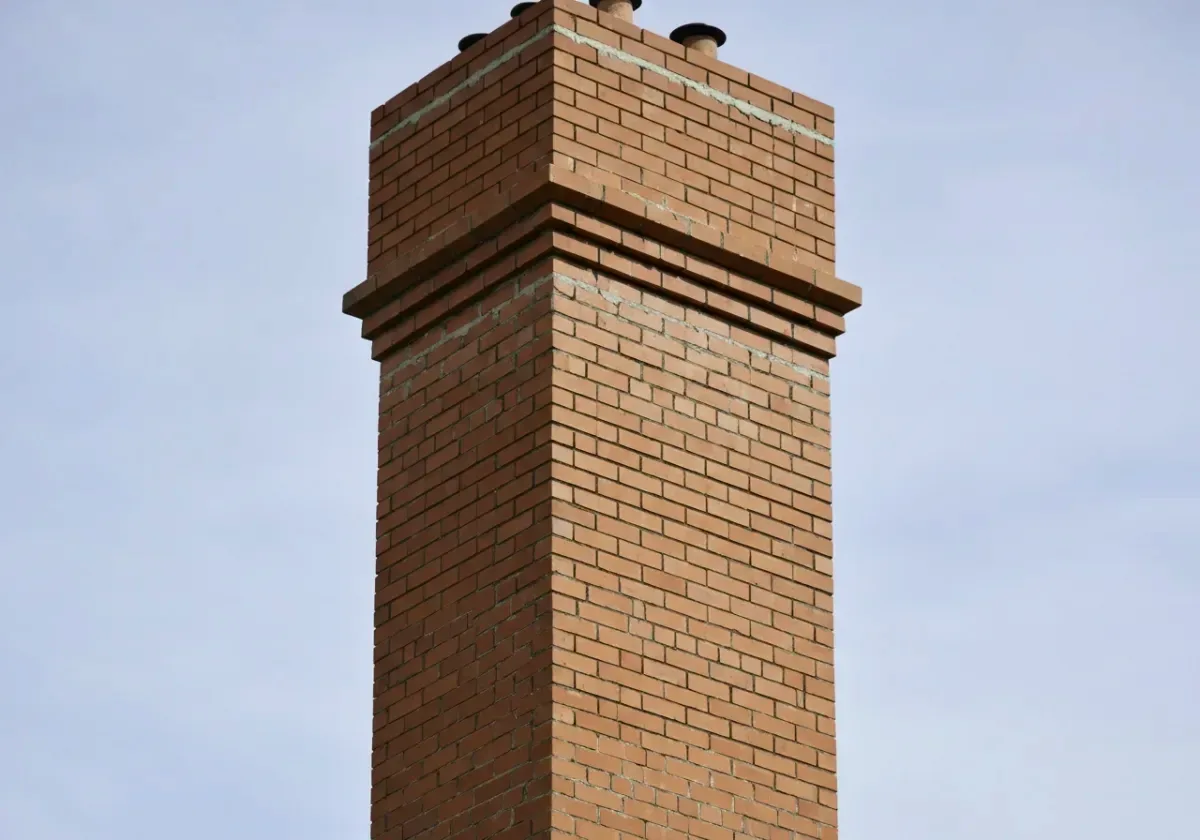 After
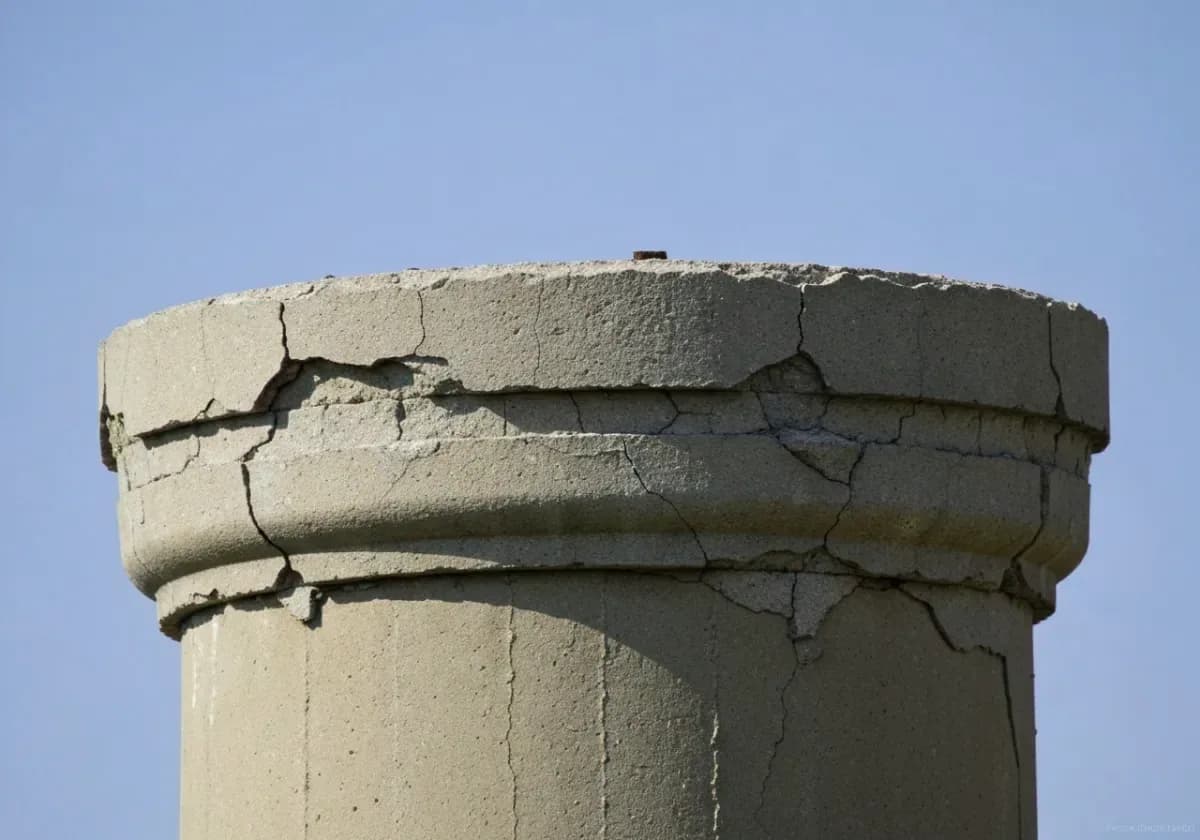 Before
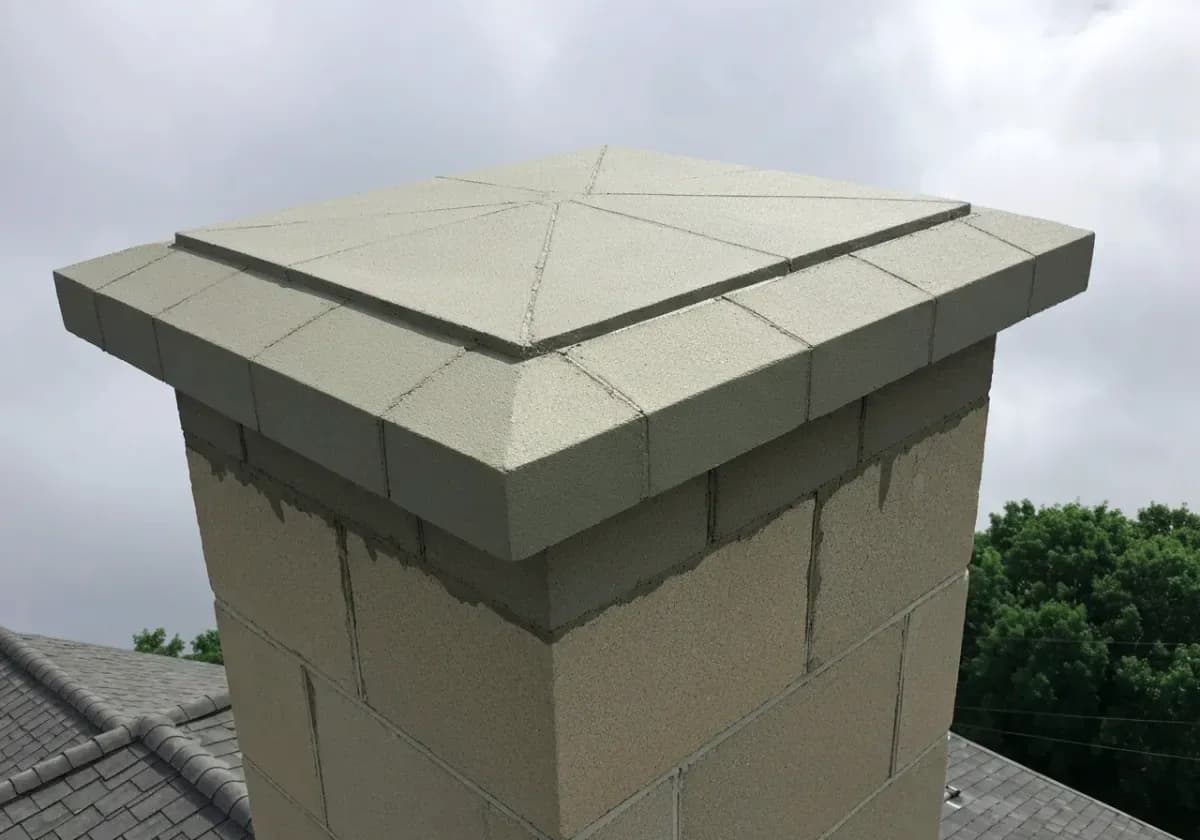 After
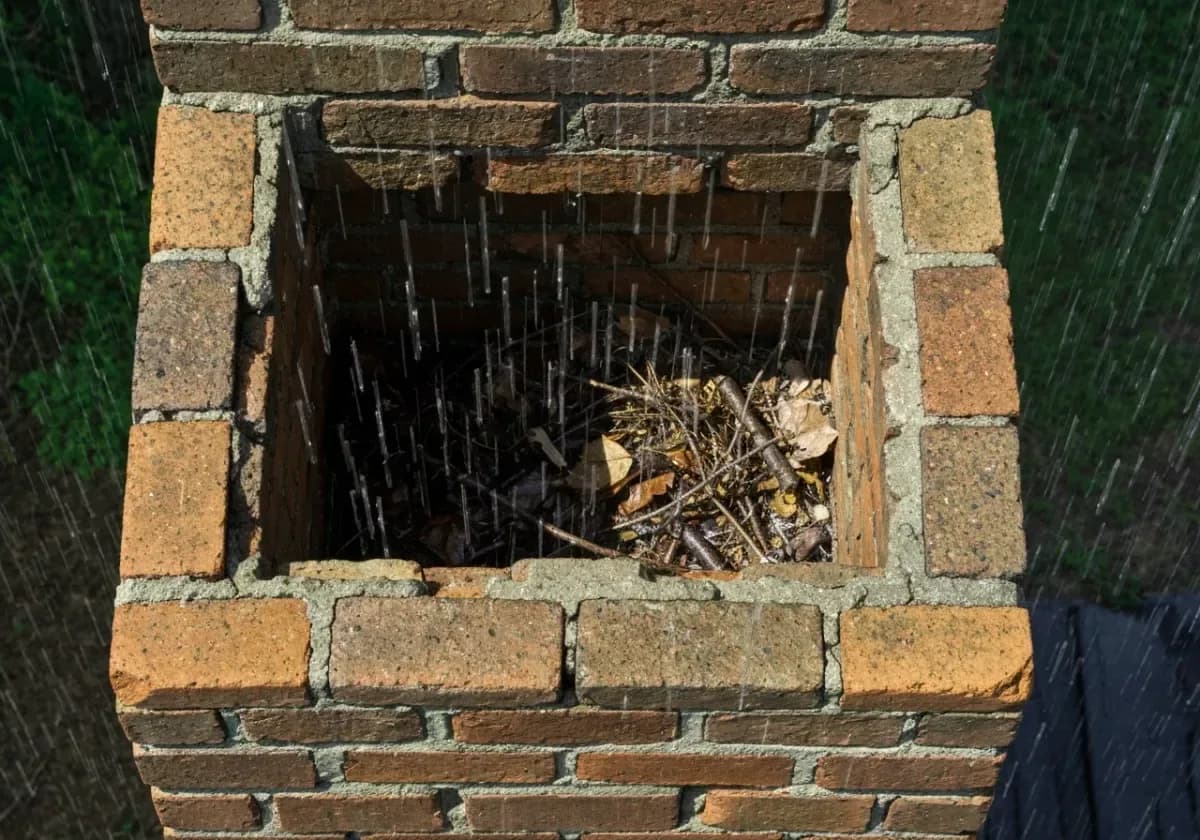 Before
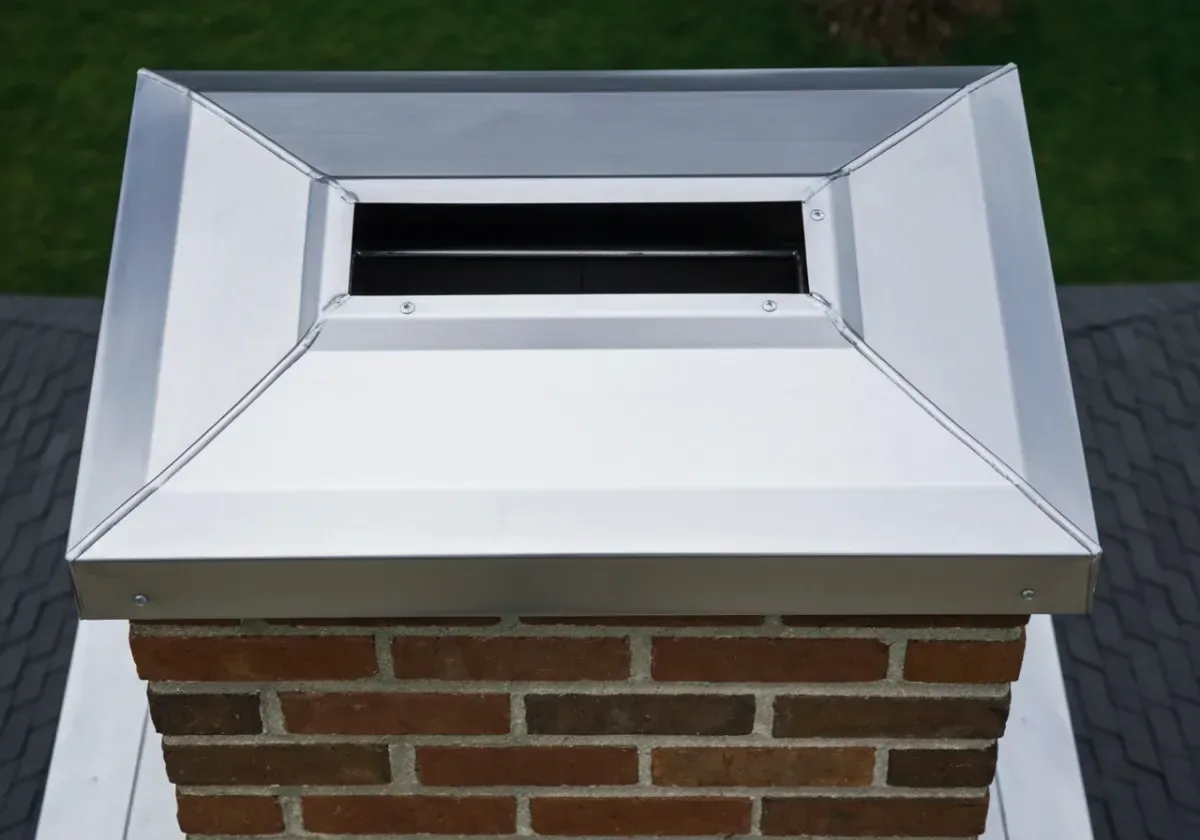 After

Four steps, each one on paper — so you always know what happens next.
Choose a genuine opening on the crew's calendar. Confirmation is immediate.
Liner, crown, cap, flashing and masonry examined in order — each finding photographed.
One document, plain numbers, covering only the work your chimney genuinely needs.
The repair is completed, then handed over with before-and-after photos of every item.
Yes, the whole city: from the lakeshore on the west side to the neighborhoods around Pine Lake and Beaver Lake, Sahalee and Klahanie included.
It starts with an on-site inspection at $99 plus tax per chimney. You receive photos and a written quote, and if you approve the quote the $99 is deducted from that job.
We watch the forecast and the roads. When ice makes the hills unsafe we rebook promptly; when streets are clear but roofs are not, we do the indoor part and return for the rest.
For anything on the roof, summer through early fall. For a fireplace you want ready by the first cold evening, book before October, when the wet season and everyone else's calls begin together.
Choose a genuine opening on the crew's calendar. We inspect, quote in writing, and hand over a photo record of every repair.